
An expired green card can disrupt your life in many ways — impacting your job, travel, and even immigration status. Although lawful permanent residence does not expire, your green card does. Many people don’t realize the consequences until they’re facing a denied job offer, missed travel, or complications with immigration filings.
Here’s what you need to know about the problems caused by an expired green card and what you can do now to fix it.


Is It a Crime to Have an Expired Green Card?
No, it’s not a crime to have an expired green card — but it may be a violation of the immigration law.
According to the Immigration and Nationality Act (§264(e)), green card holders over the age of 18 are required by law to carry valid proof of their status. Failing to do so may result in a misdemeanor charge with fines up to $100 and/or imprisonment up to 30 days.
INA §264(e)
Every alien, eighteen years of age and over, shall at all times carry with him and have in his personal possession any certificate of alien registration or alien registration receipt card issued to him pursuant to subsection (d). Any alien who fails to comply with the provisions of this subsection shall be guilty of a misdemeanor and shall upon conviction for each offense be fined not to exceed $100 or be imprisoned not more than thirty days, or both.
This is rarely enforced, but it’s another reason to renew your card promptly — particulary in the current political environment.
Does an Expired Card Lead to Deportation?
Except for conditional residents, an expired green card doesn’t affect your permanent resident status or make you deportable. However, it can create complications and added expenses. While permanent residents can be deported for serious offenses, an expired card alone isn’t one of them.
Becoming a U.S. citizen eliminates the need for green card renewals, re-entry permits, and ongoing costs. Use the Citizenship Cost Calculator to compare the long-term savings of naturalization.
5 Problems Caused by an Expired Green Card
There are a variety of ways that an expired green card can create an issue for permanent residents. Here's a list of five everyday problems that result from an expired card and some of the possible solutions:
Getting a Job with an Expired Green Card
U.S. employers must complete Form I-9 for new hires to verify identity and work authorization. Most permanent residents use a valid green card as a “List A” document. Since expired green cards aren’t acceptable, this can prevent you from starting a new job.
After filing Form I-90, USCIS sends a receipt (Form I-797C) within 2–4 weeks, extending your card’s validity by 24 months. When used with your expired card, it serves as proof of status. If your card is lost, you’ll need an I-551 stamp in your passport. But both options take time—so don’t wait until you have a job offer.
Obtaining a Professional License
In some careers, keeping your job with an expired green card may be impossible. Most states require a valid green card to issue or renew professional licenses — essential for jobs in real estate, insurance, healthcare, law, and more. Without a license, you can’t work. That’s why it’s crucial for professionals to renew their green cards on time.
Reentering the U.S. with an Expired Card
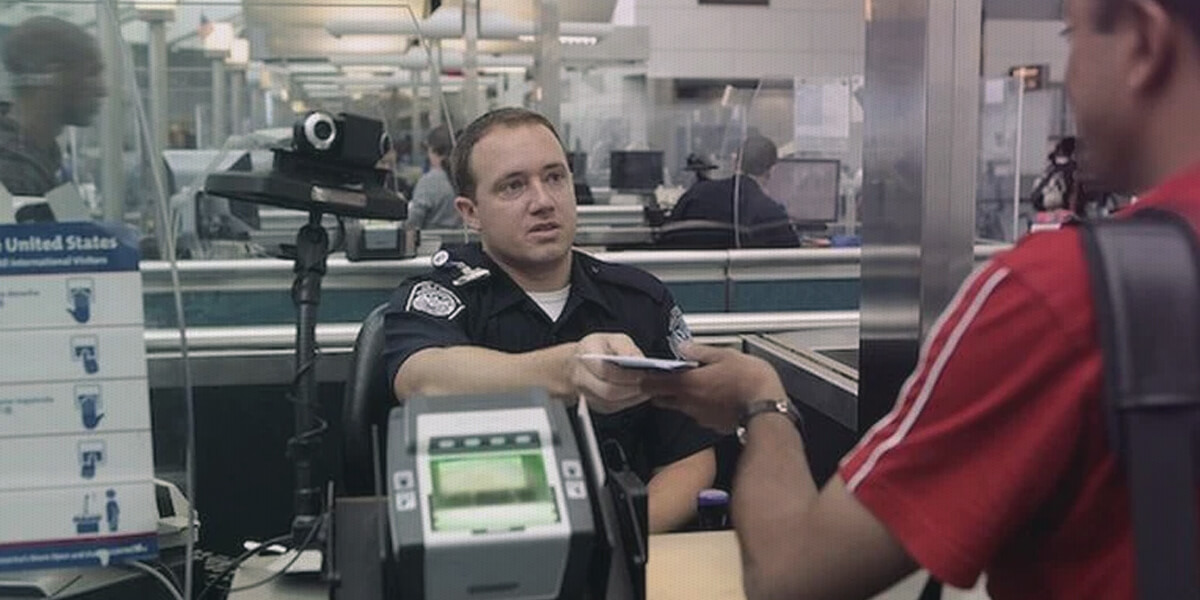
Traveling abroad with an expired green card is risky. Some airlines may refuse to board you, as they’re required to verify your permanent resident status before you board a flight bound for the United States.
Likewise, U.S. Customs and Border Protection (CBP) requires valid proof of your status to re-enter the U.S. An expired green card doesn’t qualify and can lead to long delays, costly reentry fees, or even denial of entry. Reentry is ultimately up to the CBP officer. Don’t take the risk.
If Your Green Card Expires Inside the U.S.
If your green card expires before international travel, there’s a quick solution. File Form I-90 right away. USCIS will send a receipt notice that extends your card’s validity by 24 months. When you travel, carry both the expired card and the receipt letter. Together, they serve as valid proof of your permanent resident status for reentry.
If Your Green Card Expires Outside the U.S.
Sometimes, despite your plans, you may find yourself without a valid green card while abroad. Cards can be lost, stolen, damaged, or simply expired. Call the airline first. If the airline won’t let you board with an expired green card, you’ll need to file Form I-131A, Application for Carrier Documentation at the nearest U.S. embassy or consulate to request a boarding foil. Once back in the U.S., you must still renew your card by filing Form I-90.
Buying a House with a Loan
As a permanent resident, you can qualify for most home loans just like U.S. citizens — including FHA, Fannie Mae, and Freddie Mac mortgages. However, lenders typically require a valid, unexpired green card and your Social Security number to verify immigration status.
Since green card renewal can take months, it’s smart to renew if yours expires within six months, especially if you're planning to buy a home. Many borrowers lose out on homes or face costly delays simply because their card wasn’t current.
Renewing a Driver’s License with an Expired Green Card
Most states require proof of residency and legal presence to issue or renew a driver’s license. For permanent residents, your green card serves as proof. Without proper foresight, an expired green card could leave you without a valid license for a lengthy period.
Each state sets its own rules, so check with your local DMV. Most won’t accept an expired green card, but some may allow a USCIS receipt notice or I-551 stamp instead.
Be proactive — check the expiration dates on both your license and green card now.
Renew an Expired Green Card
To renew your card, file Form I-90, Application to Replace Permanent Resident Card. You may apply through USCIS directly. Or, if you need assistance, you can use CitizenPath's Green Card Renewal/Replacement Package to affordably prepare the application correctly.
When to Renew an Expired Card
USCIS policy is for permanent residents to file Form I-90 to renew an expiring green card, the six-month period before it expires. The Form I-90 processing time may take several months, but you’ll receive a temporary extension.
When you file successfully, USCIS issues a receipt notice as proof that your renewal is in progress. The letter is also a 24-month extension notice. This notice, along with your expired card, serves as valid proof of your status during that time.
Expired Green Card Penalties
There are no penalties or fines for an expired green card. When a green card expires, you continue to be a lawful permanent resident. USCIS will not impose an additional fee or penalty. You will pay the same green card renewal fee. However, that’s not a reason to delay your renewal. Carrying an expired card (or no card at all) will eventually become a problem.
Green Cards with No Expiration Date
Some permanent residents still carry an older green card that shows no expiration date. These cards were issued decades ago and can be valid, but only if they are the correct version.
First: Confirm You Have a Valid Card
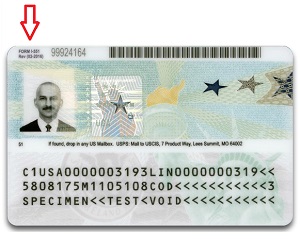
Check the small print on your card. If it says “Form I-151” or “I-151,” the card is not valid. The government discontinued Form I-151 in 1977 and replaced it with Form I-551, the version still used today.
In fact, any earlier cards — including AR-3, AR-103, or I-151 — must be replaced. These older formats no longer serve as acceptable proof of permanent residence.
How to Identify a No-Expiration I-551
Your card is likely a no-expiration version of the valid I-551 if it:
- Has no 10-year expiration date
- Looks older, laminated, or paper-based
- Was issued before the mid-1990s
These cards are technically valid but often create the same problems as an expired green card.
Should You Replace a No-Expiration Green Card?
USCIS recommends replacing these older I-551 cards because they:
- Lack modern security features
- Cause issues during travel and employment verification
- Are harder for agencies and airlines to recognize
File Form I-90 if you need a reliable, modern card. If you meet the requirements, you may instead apply for citizenship through naturalization — just ensure you won’t need the card for ID during the N-400 process.
Do Not Allow Conditional Green Cards to Expire
If you have a 2-year conditional green card through marriage, don’t file Form I-90 to renew it. Instead, you must file Form I-751 to remove the conditions. It is extremely important that you file this form within the 90-day window before your green card expires. If you fail to do so, you can be removed (deported) from the country.
Similarly, investor green card holders must file Form I-829, not Form I-90, to remove conditions and keep their permanent resident status.
Frequently Asked Questions (FAQs)
How CitizenPath Helps with Expired Green Cards
CitizenPath makes the green card renewal process simple, affordable, and worry-free. Our step-by-step, online service helps you prepare Form I-90 correctly in minutes. We even provide:
- Instant alerts for common mistakes on your application
- Customized filing instructions and checklist of supporting documents
- Live customer support when help is needed
When you use our Green Card Renewal/Replacement Package, we guarantee USCIS will approve your application, or your money back.
Want more tips? Sign up for our free newsletter to get advice on green card renewals, citizenship, and family immigration.
Want more immigration tips and how-to information for your family?
Sign up for CitizenPath’s FREE immigration newsletter and
SAVE 10%
on our immigration services