
Green Card Renewal: How to Renew Your Green Card
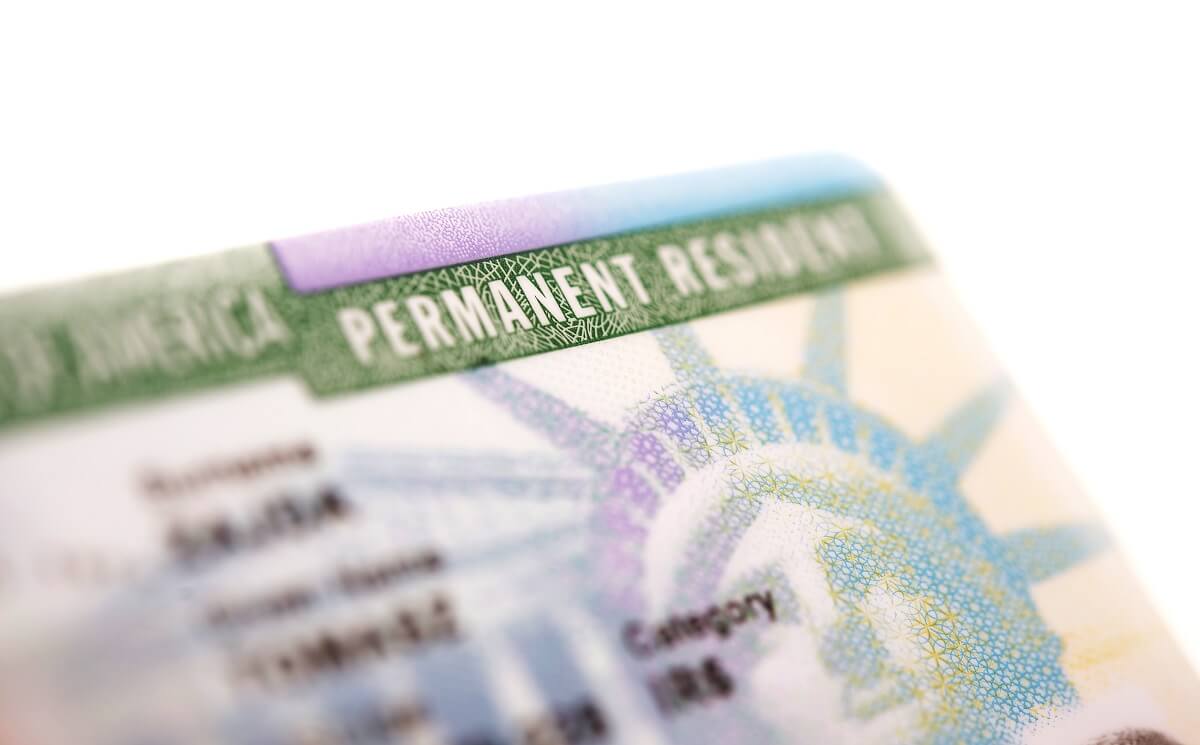
A green card, officially called a Permanent Resident Card, proves your lawful permanent resident status in the United States. Most green cards are valid for 10 years. Before your card expires, you should complete a green card renewal to receive an updated card that shows your continued status. This guide explains who needs green card renewal, when to renew, and what you can expect during the process.
Key Takeaways
- Green card renewal applies to most permanent residents with a 10-year card that is expiring or expired.
- An expired green card does not automatically mean you lost permanent resident status.
- Conditional residents must remove conditions — they cannot renew a 2-year card.
- If you are outside the United States, special rules may apply before you can return.
- Renewal updates your proof of status so you can work, travel, and maintain valid identification.
Who Needs Green Card Renewal?
Green card renewal is usually for permanent residents with a 10-year card that is expiring or already expired. Your card’s expiration date is printed on the front.
You may be in the right place if any of these apply:
- Your 10-year green card expires soon. Most people renew in the months leading up to expiration so they keep current proof of status.
- Your 10-year green card expired years ago. An expired card is common, and it does not automatically mean you lost permanent resident status. Most people can still renew and get an updated card.
- You have a green card with no expiration date. Older versions of the card were issued without an expiration date. You typically do not “renew” these, but you may want an updated card for work, travel, or ID purposes. See what to do if your green card has no expiration date →
If your main problem is that your card is lost, stolen, or badly damaged, that is usually treated as green card replacement, not renewal.
Important: People often worry that a long gap with an expired card means fines, penalties, or automatic loss of status. In most cases, the issue is simply that you need current proof of status, not that your status ended. (If you’ve had arrests, long trips outside the U.S., or past removal proceedings, speak to an immigration attorney.)
Situations Where You Cannot Renew Your Green Card
Green card renewal only applies to permanent residents with a standard 10-year card who are physically present in the United States. Some situations require a different process entirely.
You cannot simply “renew” your green card if any of the following apply:
- You Have a 2-Year Conditional Green CardIf you are a conditional permanent resident, your card is valid for only two years. USCIS does not allow you to renew this card. Instead, you must file a petition to remove the conditions on your residence before the card expires →
- Your Card Expired While You Were Outside the United States (Less Than One Year)If you traveled abroad and your green card expired while you were outside the U.S. for less than one year, you generally can return on an expired card. If your carrier will not accept your expired card, you may need to request a boarding foil from a U.S. embassy or consulate →
- You Have Been Outside the United States for More Than One YearIf you remained outside the United States for more than one year and do not have a valid reentry permit, you typically cannot renew your green card. In some cases, you may be able to apply for a Returning Resident (SB-1) visa through a U.S. consulate →
When Should You Renew Your Green Card?
Most permanent residents renew their green card in the months before it expires. USCIS guidance is to apply within six months of the expiration date printed on your card. They may reject green card renewal applications submitted prior to the six-month window.
If your card already expired, you can usually still move forward. An expired card does not automatically cancel your permanent resident status. It simply means your proof of status is outdated.
However, an expired card can create practical problems, including:
- Difficulty completing employment verification
- Challenges reentering the United States after travel
- Delays renewing a driver’s license in some states
Many people discover their card expired years ago and worry about penalties. Fortunately, there are no fines or automatic loss of status just because your card expired. The issue is updating your documentation, not restoring status.
If you plan to apply for naturalization soon, timing matters. Some permanent residents choose to move directly toward citizenship instead of renewing first. Learn how to become a U.S. citizen through naturalization →

How to Renew Your Green Card
Green card renewal requires filing Form I-90, Application to Replace Permanent Resident Card. USCIS accepts Form I-90 online or by mail. Most applicants must also attend a biometrics appointment.
The general process includes:
- Filing Form I-90
- Paying the required filing fee
- Receiving a receipt notice from USCIS
- Attending a biometrics appointment (if required)
- Receiving your new green card by mail
Need a fast, reliable way to file correctly? A smooth green card renewal depends on preparing your Form I-90 accurately and completely. Renew your green card quickly with CitizenPath’s simple, affordable Green Card Renewal/Replacement Package →
Green Card Extension
USCIS does not issue temporary green cards. However, USCIS provides proof of extended status after you properly file a green card renewal application.
When you successfully file Form I-90, USCIS mails a receipt notice (Form I-797C), usually within 2-4 weeks. This receipt notice automatically extends your lawful permanent resident status for up to 36 months beyond the expiration date on your card. You may use your expired green card together with the receipt notice as proof of status for employment and reentry to the United States.
If you have lost your card or your card expired more than 36 months ago, you may request an ADIT stamp in your valid, unexpired passport. The ADIT stamp serves as temporary evidence of permanent resident status and may be used for work or travel.
Green Card Renewal vs. Replacement vs. Removal of Conditions
Many people confuse these processes. They are not the same.
| Situation | Correct Process | Form Used |
|---|---|---|
| 10-year card expiring | Green card renewal | Form I-90 |
| Card lost, stolen, or damaged | Green card replacement | Form I-90 |
| Two-year conditional card expiring | Remove conditions | Form I-751 or I-829 |
Although renewal and replacement both use Form I-90, the reasons for filing are different.
Green Card Renewal Fee
In most cases, the USCIS filing fee to renew a green card is $465 when submitting the paper (PDF) application or $415 online. This amount already includes the required biometrics services fee. Check the current USCIS fee as they do change occasionally.
USCIS may approve a fee waiver for certain applicants who can demonstrate financial hardship. To request a waiver, submit Form I-912, Request for Fee Waiver, along with supporting documentation.
It is important to submit the correct payment and required documents. Incorrect fees or missing evidence can cause delays or rejection of your application.
A Simpler Way to Prepare Your Immigration Paperwork
CitizenPath walks you through the process with step-by-step instructions written for everyday people. As you answer questions, we check your entries for common mistakes and give you alerts if there is a problem.
You receive perfectly prepared USCIS forms and a customized checklist of supporting documents so you know exactly what to include and what to skip. We give you the tools to ensure your case moves smoothly. Get started for free — don't pay until you're ready to file.
Reasons USCIS May Deny a Green Card Renewal Application
Most green card renewals are approved, but USCIS can deny a renewal application in certain situations. A denial does not automatically mean you lose your permanent resident status, but it does mean USCIS has determined there is a reason you may not qualify to renew at this time. Common denial triggers include:
- Failure to Address Errors or Incomplete ApplicationUSCIS may deny a renewal if your application contains basic mistakes or missing information — such as problematic answers or missing evidence — and you fail to respond to their Request for Evidence.
- Inadmissibility or Immigration ViolationsIf USCIS finds that you no longer meet the requirements for lawful permanent residence — for example due to unresolved immigration violations or spending extended time outside the United States — your renewal can be denied.
- Criminal History or Other Legal IssuesCertain criminal convictions or arrests that affect admissibility may make you ineligible for a renewed card. A background check conducted as part of the renewal process can flag these issues. Learn about renewing a green card after an arrest →
A denial does not automatically cancel your permanent resident status, but it is important to act quickly and understand your options. Generally, that means you should speak to an experienced immigration attorney.
How Long Does It Take to Get a New Green Card?
After USCIS receives your application, it will send a receipt notice. This notice may extend your green card validity for a temporary period.
USCIS may schedule a biometrics appointment. During this appointment, they collect fingerprints, a photo, and your signature.
You can monitor your case using the USCIS online case status system. Get a more detailed breakdown of what happens after filing a green card renewal application in our Form I-90 processing time →
Affordable Immigration Support
Frequently Asked Questions About Green Card Renewal
What Customers Say About CitizenPath
Selected reviews from verified customers collected through Reviews.io and Trustpilot.