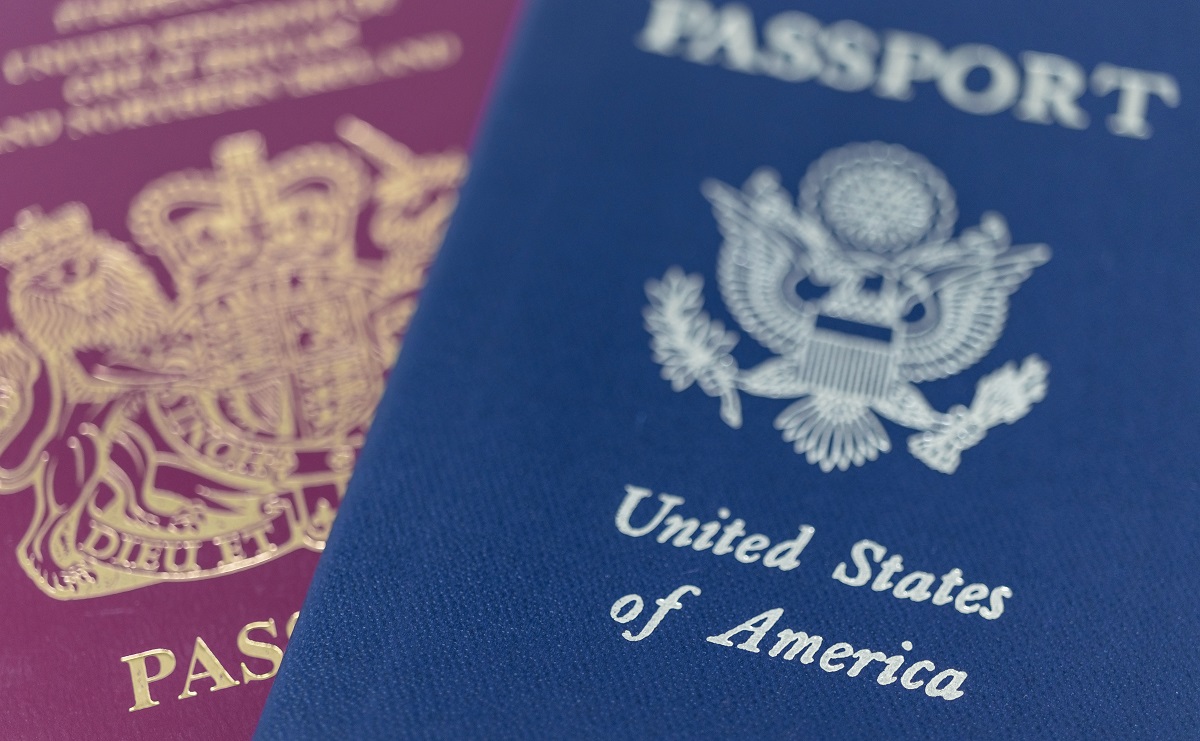
If you are thinking about becoming a U.S. citizen but worried about losing your original citizenship — you are not alone. This is one of the most common concerns immigrants have before they start the naturalization process. The good news is that the U.S. government allows dual citizenship. In most cases, you do not have to choose.
This article explains how dual citizenship works in the U.S., how people get it, what the real benefits are, and what to watch out for before you move forward.


What Is Dual Citizenship?
Dual citizenship means you are legally recognized as a citizen of two countries at the same time.
Each country treats you as its citizen and expects you to follow its laws. You may have:
- Two passports
- The right to live and work in both countries
- Legal responsibilities in both places
The U.S. Department of State refers to this as dual nationality. It happens when two countries’ laws recognize you as a citizen. People commonly obtain dual citizenship through:
- Birth in a country
- Parents’ nationality
- Naturalization in another country
How People Become Dual Nationals
Dual citizenship happens in several ways. Some people become dual nationals without even realizing it.
Born in the U.S. to foreign parents.
If you were born on U.S. soil, you are a U.S. citizen — even if both parents are citizens of another country. Many people in this situation also hold citizenship in their parents' home country under that country's own laws.Born outside the U.S. to a U.S. citizen parent.
If one or both of your parents were U.S. citizens when you were born abroad, you may already be a U.S. citizen. You may also hold citizenship in the country where you were born. This is called citizenship through parents, and it is more common than most people realize.Naturalizing as a U.S. citizen.
When a green card holder applies for citizenship through naturalization, the U.S. does not require them to give up their original nationality. If the home country also permits dual citizenship, the person walks away as a citizen of both.A U.S. citizen naturalizes in another country.
U.S. citizens who later acquire citizenship in a foreign country generally keep their U.S. citizenship — as long as they do not intend to give it up.

The U.S. Allows Dual Citizenship
Dual citizenship is allowed in the United States. The U.S. Department of State explains that dual nationality exists and is legally recognized. The U.S. government does not require you to choose only one citizenship.
However, the United States does not formally promote dual citizenship. Instead, it accepts it as a result of overlapping laws between countries.
U.S. Citizenship and Immigration Services (USCIS) requires naturalization applicants to take the Oath of Allegiance. This oath includes renouncing allegiance to other countries. However, in practice:
- The U.S. does not force you to give up your original citizenship
- Your home country decides whether you keep it
The bottom line: becoming a U.S. citizen will not automatically cancel your other citizenship. That decision belongs to your home country, not the United States.
How to Get Dual Citizenship in the U.S.
There is no direct application for dual citizenship in the United States. You follow the same naturalization process as everyone else.
Most green card holders are eligible after five years of permanent residence. If you are married to a U.S. citizen, that window drops to three years. Either way, you apply using Form N-400, Application for Naturalization.
You will need to meet all the standard citizenship requirements — including continuous residence, physical presence, English language ability, and good moral character. Your plans regarding another citizenship do not affect your eligibility.
The Benefits of Holding Dual Citizenship
There are real, practical advantages to being a citizen of two countries. Here are the ones that matter to most people.
You can live and work in both countries.
Dual citizenship generally gives you the right to live, work, and own property in both nations. This is especially valuable if you have family, business, or roots in your home country that you want to maintain.You have greater freedom to travel.
A U.S. passport is one of the most powerful travel documents in the world — it allows visa-free or visa-on-arrival access to more than 185 countries. Combining it with a second passport can expand your options even further. Keep in mind that U.S. citizens must always use their U.S. passport when entering and leaving the United States.You can vote and participate in both countries.
As a dual citizen, you generally have the right to vote in both countries. In the United States, you also have the responsibility to report for jury duty.You may access benefits in both countries.
Dual citizens may be eligible for social services, healthcare, education, and retirement programs in each country. This can be a significant advantage for people who split their time between two nations or plan to retire in their home country.
For a full picture, see the benefits of U.S. citizenship — including the financial advantages that come with naturalization.
What Can Complicate Dual Citizenship
Holding two citizenships is not without trade-offs. Here is what you should think through before moving forward.
Your home country may not allow it.
This is the most important factor. Some countries — including China, India, and Singapore — do not permit dual citizenship. Nationals of these countries generally lose their original citizenship when they naturalize in the United States. Before you file your N-400, verify your home country's rules with their embassy or consulate.You may face military service requirements.
Some countries require military service of their citizens. If you hold citizenship in one of those countries, you could be subject to those obligations — even as a U.S. citizen living abroad.Consular help may be limited if something goes wrong abroad.
If you travel to your other country of citizenship and run into legal trouble, the U.S. embassy may not be able to help you. Local authorities may treat you as their own national rather than as a U.S. citizen.Tax obligations can get complicated.
The U.S. taxes its citizens on worldwide income, no matter where they live. If you are a dual citizen living abroad, you may have filing obligations in both countries. A tax professional who specializes in international taxation can help you understand what applies to your situation.Some countries require you to enter on their passport.
When you visit your other country of citizenship, that country may require you to use their passport to enter and exit. This is standard in many countries and not usually a problem — just something to plan for.
What If Your Country Does Not Allow Dual Citizenship?
If your home country prohibits dual citizenship, you have a decision to make. Here is a simple way to think about it:
- No path forward: In the most restrictive cases, naturalizing as a U.S. citizen means losing your original citizenship permanently. This is common for nationals of China, India, and Singapore.
- There may be a reclaim process: Some countries have a process that allows you to recover your original citizenship after the fact. The Philippines is a well-known example. Check with your country's embassy to find out if this applies to you.
- Your country may allow it: Many countries around the world permit dual citizenship with no restrictions. If yours is one of them, you may be able to hold both without any complications.
When you are unsure, the safest step is to contact your home country's nearest embassy or consulate and ask directly. If your situation is complex, it may be worth speaking with an immigration attorney familiar with both countries' laws.

Common Questions about Dual Citizenship

How CitizenPath Helps
Becoming a U.S. citizen is the most common path to dual citizenship, and it’s a step you don’t have to take alone.
Start your N-400 Application with CitizenPath — our step-by-step process helps you avoid mistakes and delays. Our affordable service simplifies the process, checks your application for accuracy, and gives you confidence every step of the way.
If you’re ready to move forward, now is a great time to take the next step toward U.S. citizenship. Learn about CitizenPath's Naturalization Application Package →
Want more immigration tips and how-to information for your family?
Sign up for CitizenPath’s FREE immigration newsletter and
SAVE 10%
on our immigration services