
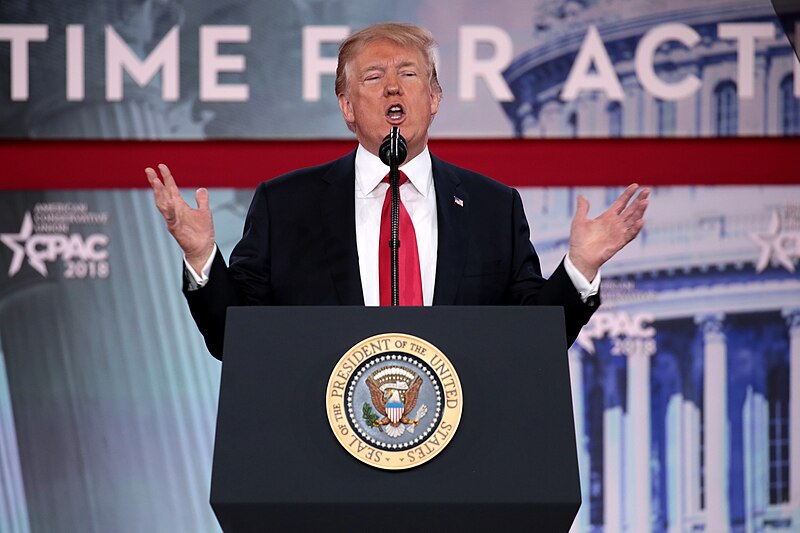
Recently, you may have noticed a sharp shift in how U.S. immigration benefits are processed. Trump immigration policy has taken a more restrictive turn, leading to delays, denials, and growing anxiety for applicants. But what’s actually changed? Are new laws being passed, or are old rules simply being enforced more strictly?
This post will break it all down for you. We’ll explain what’s really happening, highlight some of the biggest Trump-era policy changes, and show you what you can do to protect your application.


What You'll Learn
- Are These Real Rule Changes or Just Stricter Interpretations?
- Key Trump Immigration Policy Changes and Their Effects
- More Thorough Interviews
- Increased RFEs and NOIDs
- Marriage-Based Green Card Scrutiny
- Expansion of Good Moral Character Standard
- More Aggresive Enforcement
- How These Changes Affect the Average Applicant
- What You Can Do to Protect Your Application
Are These Real Rule Changes or Just Stricter Interpretations?
Most Trump immigration changes are not new laws. They are aggressive reinterpretations of existing policies.
When people hear about “policy changes,” they often think new laws have been passed. But in reality, Congress has not passed significant immigration legislation in many years. Most of the changes under the Trump administration have come through:
- Executive orders
- Agency policy memos (especially from USCIS and DOJ)
- Reinterpretation of existing regulations
This means many of the shifts don’t go through the full rule-making process, which requires public comment and transparency. The good news is that they are easier to reverse. However, you do need to live with these new rules for now.

Key Trump Immigration Policy Changes and Their Effects
Several administrative changes have made it more difficult to apply for and receive family-based immigration benefits. But that doesn’t mean you’re any less eligible.
If you qualify for a green card, citizenship, or another benefit, you still have the right to apply. The difference now is that USCIS is examining cases much more closely. Officers are asking for more evidence, questioning applications in detail, and looking for reasons to deny.
That’s why it’s critical to treat your application as a serious legal process. Filing incomplete or careless paperwork can trigger delays or even denials. By applying correctly and preparing for what comes next, you give yourself the best chance of success.
More Thorough Interviews
USCIS interviews have become more detailed and sometimes adversarial under the Trump administration. Officers are taking extra time to verify facts, confirm eligibility, and spot inconsistencies. It's common for officers to review the entire application with you.
Being prepared not only shows credibility but also helps you feel more confident during questioning. Treat the interview as an important legal step in your immigration journey.
Tip: Always keep a complete copy of everything you submit to USCIS. Before attending your interview, review your application carefully so questions are familiar and your answers are consistent with what you’ve already provided.
Increased RFEs and NOIDs
Under the Trump immigration policy changes, USCIS has begun issuing Requests for Evidence (RFEs) and Notices of Intent to Deny (NOIDs) much more often. Even straightforward cases face extra scrutiny.
Officers are directed to flag any gap or inconsistency. A missing document, unclear translation, or simple mistake can trigger an RFE or NOID, causing delays and more work for applicants.
Tip: Submit a complete, well-documented application from the start. If you receive an RFE or NOID, use it as a chance to strengthen your case — not as a sign that denial is certain.
Marriage-Based Green Card Scrutiny
Marriage-based green card applications are receiving more scrutiny to verify the marriage is valid. Officers asked for more proof, conducted longer interviews, and sometimes even separated couples to test consistency.
For example, a couple might be questioned separately about their daily routines or how they first met. Even genuine couples could feel pressured if answers didn’t match perfectly.
Tip: Keep strong records of your shared life — bank accounts, leases, photos, and insurance. Review your application together before the interview so your answers remain consistent.
Expansion of Good Moral Character Standard
For those who will apply for citizenship through naturalization, the Trump administration broadened how USCIS evaluates good moral character (GMC). Officers were directed to look beyond serious crimes and consider more minor conduct.
For example, marijuana use remains a federal offense, even if legal in your state. Under Trump-era guidance, any marijuana-related activity could be enough to show a lack of GMC. Other issues, like failure to register for Selective Service or making a false claim to U.S. citizenship, are being enforced more aggressively.
This expansion does make more people vulnerable to denial, even if they had lived in the U.S. for years as lawful permanent residents.
Tip: Before applying for naturalization, review your history carefully. If you have any arrests, citations, or other potential issues, speak with an immigration attorney before filing.
More Aggresive Enforcement
Another notable change in Trump immigration policy that affects all immigrants is their tougher stance on unauthorized immigration. Enforcement agencies like ICE were given broader authority to question individuals and place them in removal proceedings. Unlike before, there is now less discretion and less willingness to overlook minor violations.
This less compassionate approach means that even legal, long-term residents without current proof of lawful status could face serious problems. Encounters with law enforcement, workplace audits, or even routine travel could expose someone who lacks valid identification.
Tip: Always carry valid, up-to-date proof of your immigration status, such as your green card, employment authorization card, or other USCIS-issued document. If your document is lost, expired, or about to expire, take action quickly to replace or renew it.
How These Changes Affect the Average Applicant
The biggest impact is fear, confusion, and more obstacles, even for qualified applicants.
The Trump immigration policy changes have made the process more unpredictable. Even people who are eligible and have done everything right may:
- Wait longer than expected
- Receive more complicated RFEs
- Face surprise denials
The emotional toll can’t be ignored. Applicants often feel like the rules are changing mid-process, and many hesitate to apply at all.
For example, someone applying for naturalization may fear being penalized for minor infractions. A family seeking a green card may worry that an RFE means denial is inevitable. In truth, many of these obstacles can be overcome with preparation and clarity.
USCIS Denial Rates in the Trump Era
USCIS data is only available through the first quarter of this calendar year (CY). At that point, President Trump had been in office for just a couple of months. While the sample is limited, denial rates for several forms already show signs of increasing in several commonly used USCIS forms.
USCIS Form Denial Rates
| Form | CY 2024 (Before Trump) | Q1 CY 2025 (With Trump) |
|---|---|---|
| I-90 | 4.0% | 6.7% |
| I-129F | 21.5% | 32.1% |
| I-130 | 11.7% | 11.8% |
| I-485 | 8.4% | 10.7% |
| I-765 | 9.1% | 7.7% |
| N-400 | 8.9% | 8.8% |
What You Can Do to Protect Your Application
Even under strict policies, you can still succeed with the right information and preparation. Here’s how:
Stay Informed
Policy memos and guidance from USCIS can change fast. Keep up with updates through trusted sources like uscis.gov, immigration advocates, and the free CitizenPath newsletter.Prepare Thoroughly
- Complete your forms accurately
- Provide strong supporting documentation
- Double-check eligibility criteria before filing
Respond Promptly to RFEs or NOIDs
If you receive a Request for Evidence, don’t panic. These notices are becoming more common. Learn how to respond to an RFE, act quickly, and provide detailed, clear responses. In most cases, approval is still possible.Know When to Seek Legal Help
Complex cases (such as criminal history, prior immigration violations, or denials) often benefit from a qualified immigration attorney.
How CitizenPath Helps You Navigate These Changes
CitizenPath provides low-cost, step-by-step help for immigration forms with built-in checks for policy pitfalls.
Our online service is designed to make immigration forms easier and safer to complete — especially when policies are constantly changing. Here's how we help:
- Smart form preparation: Our platform checks for common errors and helps you avoid triggers that might lead to an RFE or denial.
- Up-to-date guidance: We monitor USCIS policy updates to ensure our advice reflects the latest standards.
- Customized checklist: You will receive a checklist of supporting documents that has been customized to your situation.
- Live support: Our team is ready to assist you by phone, email and chat.
Don’t go through the process alone. Sign up for our newsletter to get insider tips and updates that empower you through every step of your immigration journey.
Frequently Asked Questions (FAQs)
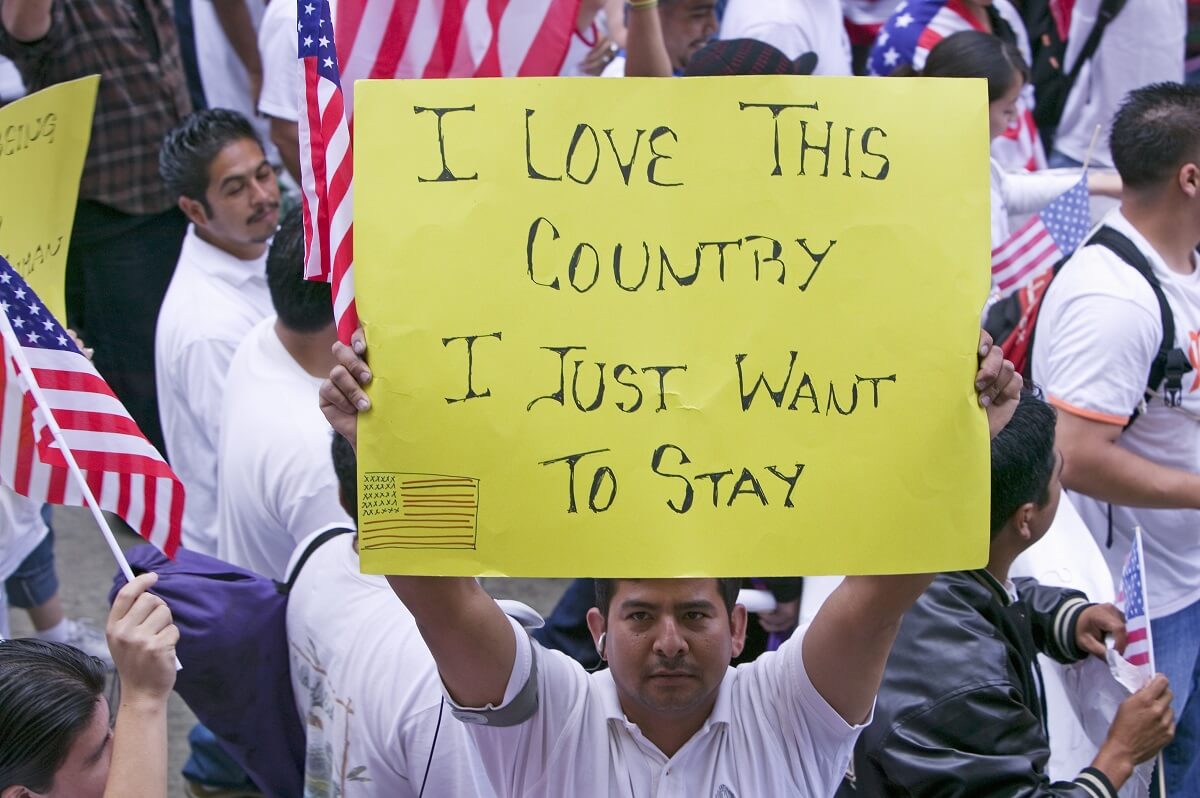
The Trump immigration policy changes didn’t rewrite the law, but they made the system harder to navigate.
While many of these changes came from stricter interpretations rather than new rules, they’ve had real consequences for thousands of immigrants. The good news? With the right preparation and resources, success is still within reach.
If you or a loved one are planning to file an application with USCIS, take time to understand current policies, prepare thoroughly, and consider tools like CitizenPath to give yourself the best possible chance of approval.
Want more immigration tips and how-to information for your family?
Sign up for CitizenPath’s FREE immigration newsletter and
SAVE 10%
on our immigration services
