

If your family is starting the green card process, you may hear that you need a financial sponsor. For many families, this raises immediate questions. Do we really need one if we earn a good income? Who must be the sponsor? What is the government actually checking?
These concerns are common and understandable. U.S. immigration rules are complex, and the sponsorship requirement is often misunderstood. This guide explains which immigrants need a a green card sponsor, how the process works, and why nearly all family-based applicants are still reviewed under a financial test, even in high-income households.


Which Immigrants Need a Financial Sponsor?
Not all immigrants need a financial sponsor, but most family-based green card applicants do.
A financial sponsor is required for immigrants who are applying for permanent residence through a qualifying family relationship. This includes many of the most common cases, such as spouses, parents, children, and siblings of U.S. citizens or permanent residents. In general, immigration law requires a sponsor for:
- Spouses of U.S. citizens or green card holders
- Parents of U.S. citizens
- Children immigrating through a family petition
- Siblings of U.S. citizens
In practical terms, if the green card applicant is the beneficiary of Form I-130 or Form I-129F, a financial sponsor is almost always required.
A sponsor is usually not required for employment-based immigrants, refugees/asylees, and certain self-petitioners under humanitarian laws.
Green Card Sponsors Submit Form I-864, Affidavit of Support
The U.S. government requires Form I-864, Affidavit of Support, in most family-based green card cases. By submiting it, a qualified sponsor shows the government that they meet the income requirement and agree to financially support the immigrant if needed.
An immigration officer reviews the sponsor’s income, household size, and supporting documents to confirm that the immigrant will have reliable financial support after becoming a permanent resident.
A complete and accurate Form I-864 helps overcome the public charge–related ground of inadmissibility by showing the government that the immigrant is unlikely to rely on certain public benefits.
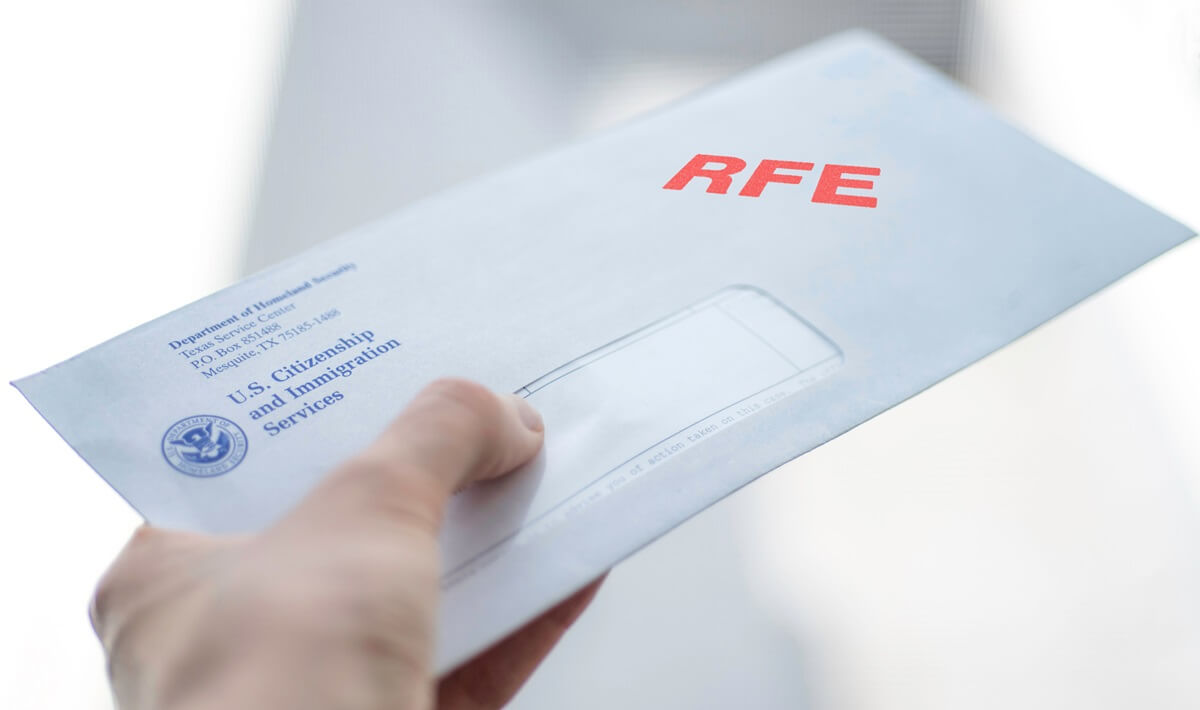
Errors or missing information often cause delays or Requests for Evidence, so careful preparation matters. CitizenPath's Affidavit of Support Package helps you prepare the form correctly and provides a custom checklist of supporting documents for your situation.
Who Can Be a Financial Sponsor for a Green Card?
In most cases, the person who files the family petition must also be the financial sponsor. However, not everyone qualifies automatically.
To serve as a financial sponsor, you must:
- Be at least 18 years old
- Be a U.S. citizen or lawful permanent resident
- Live primarily in the United States
- Meet minimum income requirements
If the petitioner does not qualify financially, USCIS may allow an additional sponsor to help.
Financial Sponsor Income Requirements
The government sets income requirements based on household size. In most cases, a financial sponsor must earn at least 125% of the federal poverty guidelines for their household.
Household size usually includes:
- The sponsor
- The sponsored immigrant
- Dependents claimed on tax returns
- Anyone else already sponsored and still under obligation
The guidelines vary by region, household size and sometimes military service. For a more detailed breakdown, learn more about I-864 income requirements →
What If the Financial Sponsor Does Not Earn Enough?
The government still requires the primary petitioning sponsor to submit sponsorship paperwork, even if they do not meet the income requirement on their own. Fortunately, families often qualify by using household member income, adding a joint sponsor, or counting eligible assets.
Add a Household Member
In some cases, a financial sponsor may count income from a qualifying household member. This option works when the household member:- Lives with the sponsor
- Is closely related or listed as a dependent
- Earns lawful, ongoing income
Use Property and Assets
Certain assets may help meet financial requirements when income alone is not enough. Common examples include:- Savings or checking accounts
- Property equity
- Stocks or bonds
Add a Joint Sponsor
A joint sponsor is often the most flexible option. This person:- Does not need to be related to the immigrant
- Must independently meet income requirements
- Must be a U.S. citizen, U.S. national, or lawful permanent resident
- Accepts full financial responsibility
The Public Charge Test: Why Income Still Matters
Many families believe that if they earn a good income, financial sponsorship is unnecessary. However, this is a common misunderstanding.
Nearly all family-based green card applicants are reviewed under the public charge test, which looks at whether an immigrant is likely to depend on certain public benefits in the future. Financial sponsorship plays a central role in this review.
In fact, even in high-income households:
- USCIS still requires sponsorship forms
- Income documentation is still reviewed
- The financial sponsor’s ability to support the immigrant is still evaluated
The purpose is not to penalize families, but to confirm financial stability under U.S. immigration law. You can learn more about public charge →

How Long Does Financial Sponsorship Last?
Financial sponsorship is not temporary. The obligation usually continues until the immigrant:
- Becomes a U.S. citizen;
- Has worked, or can receive credit for, 40 quarters of coverage under the Social Security Act;
- No longer has lawful permanent resident status and has departed the United States; or
- Passes away.
What's more, divorce or separation does not automatically end the obligation. Sponsors should understand this commitment before signing immigration forms.
Frequently Asked Questions About Financial Sponsors
How CitizenPath Helps
CitizenPath provides simple, affordable, step-by-step guidance to help families prepare USCIS immigration forms with confidence. Our online service walks financial sponsors through income requirements, household size calculations, and supporting documents in plain language, helping you avoid common mistakes that lead to delays or requests for evidence.
You can try CitizenPath for free on desktop or mobile before you commit. If you decide to continue, every application includes a 100% money-back guarantee that USCIS will approve the form we prepare together. CitizenPath offers dedicated support for the Affidavit of Support Package (Form I-864), the Adjustment of Status Package (Form I-485), and several other immigration services designed to help families stay together.
Want more immigration tips and how-to information for your family?
Sign up for CitizenPath’s FREE immigration newsletter and
SAVE 10%
on our immigration services


