Choosing which version of your name to use can feel risky during the immigration process. This guide explains what USCIS means by “legal name,” when to list prior names, how to handle maiden vs. married names, hyphenation, accents, and mid-process changes. You’ll also get a quick table with form-by-form guidance and practical tips to avoid RFEs.


What USCIS Means by “Legal Name”
Legal name is the name currently recognized by law in the place where your name was established or changed. Common proof includes a birth certificate, passport, marriage certificate, divorce decree, or court order.
On USCIS forms, use your current legal name in the main name fields. If you have used other names (maiden name, hyphenated version, different transliteration), list them in the “Other Names Used” section.
The Golden Rule: Be Consistent Everywhere
Consistency prevents mismatches that can trigger identity verification delays with SSA, E-Verify, IRS, SAVE, the DMV, airlines, and banks. Before filing, align the name on your passport, Social Security record (if any), and state ID. When a mismatch is unavoidable, include an explanation letter and proof of the name link.
Maiden Name vs. Married Name
If you have a legal marriage that changed your name, you may use your married name immediately — once the marriage certificate legally authorizes it in your state or country. Many applicants still travel with passports in a maiden name for a time. That’s okay, but keep these points straight:
- On USCIS forms: Use your current legal name (often the married name), and list your maiden name under “Other Names Used.”
- For travel: Airline ticket name must match your passport name. If your passport is still in your maiden name, book tickets in your maiden name until the passport updates.
- Evidence: Include a certified marriage certificate and, when possible, proof you are updating IDs (SSA, DMV, bank) to connect the paper trail.
- Hyphenated or double surnames: Choose one consistent format (e.g., García-Lopez vs. Garcia Lopez) and use it the same way on every filing. If a government ID prints without a hyphen, keep the same spacing everywhere else and list the alternate version under “Other Names Used."
Where to List “Other Names Used”
Most USCIS forms include a section like “Other Names You Have Used”. Add prior names, maiden names, nicknames used on legal records, alternate spellings, and transliterations you’ve used on visas, school records, or prior filings. If space is limited, attach a continuation sheet with:
- Each variant written clearly (family/given/middle)
- When you used it (approximate dates)
- Which documents show that variant
Form-by-Form Quick Reference
Use the main field for your current legal name. Use “Other Names Used” for past or alternate versions.
| Form | Main Name to Use | Notes |
|---|---|---|
| I-130 (Petition) | Petitioner and beneficiary: current legal names | List beneficiary’s maiden/other names to link records and prior visas. |
| I-485 (Green Card) | Applicant’s current legal name | Must align with I-765/I-131; include proof of any name change. |
| I-765 (Work Permit) | Same as I-485 | EAD prints from this; mismatches can cause SSA/E-Verify issues. |
| I-131 (Advance Parole) | Same as I-485 | Ticket/passport alignment still controls travel. |
| I-751 (Remove Conditions) | Current legal name | If marriage changed your name, include the marriage certificate and consistent evidence. |
| I-90 (Replace/Update Green Card) | Current legal name | Use after a legal name change to update your card; include court/marriage order. |
| N-400 (Naturalization) | Current legal name | You can request a new name during naturalization if judicial ceremonies are available. |
| N-565 (Replace Citizenship/Naturalization Certificate) | Current legal name | Use to update your certificate after a later name change. |
| DS-260/DS-160 (Consular) | Passport legal name | List other names; keep consistent with USCIS filings and civil records. |
Special Cases and How to Handle Them
Not every name fits U.S. forms neatly. If you use two surnames, have no middle name, rely on accents, or come from a non-Latin alphabet, use these tips to enter your name correctly and stay consistent across all records.
Two Last Names (Hispanic Naming Conventions)
USCIS asks for Family Name (Last Name) and Given Name (First Name). If you use two surnames, enter both in the Family Name field in your chosen order, and keep that order everywhere. List alternate orders under “Other Names Used.”
No Middle Name or Single-name Passports
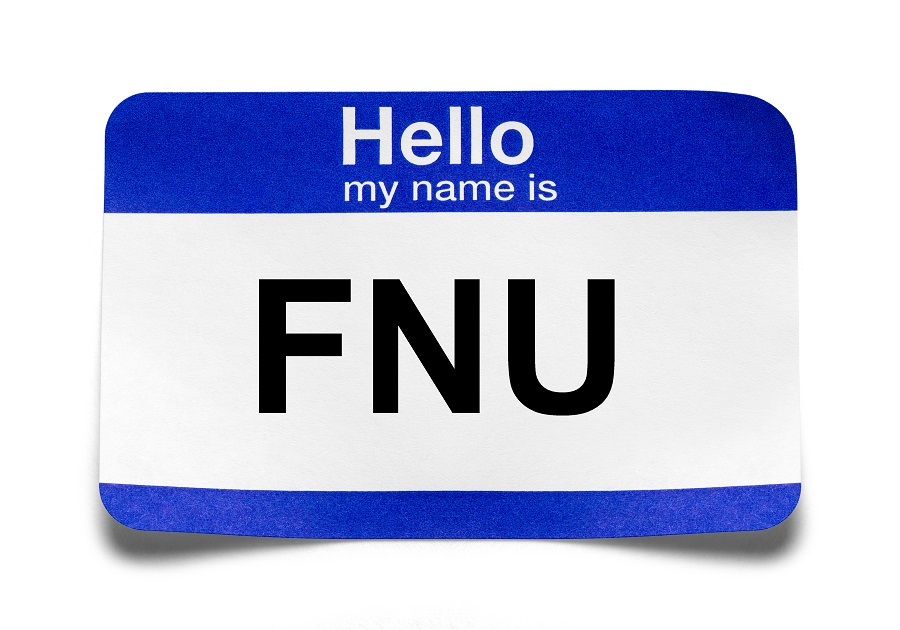
If you have no middle name, do not insert “FNU” unless a form instructs it. Instead, use "N/A" to indicate that it is not applicable. For single-name passports, follow the form instructions: your single name usually goes in the Family Name field and the Given Name is left empty.
Accents and Diacritics (ñ, ö, ç)
Most USCIS systems store plain ASCII. Enter your name without accents unless the form explicitly accepts them. Keep one consistent, unaccented version and list accented/alternate renderings as “Other Names Used.”
Transliteration from Non-Latin Alphabets
Choose a single transliteration (e.g. passport) and use it everywhere. List other known spellings under “Other Names Used,” especially if past visas or school records show them.
Different Cultural Order (Family Name First)
Always map to USCIS fields. Put the Family Name in the Last Name field and Given Name in the First Name field, even if your culture writes them in the opposite order.
Changing Your Name During the Process
Life happens — marriage, divorce, or other events can change your name mid-case.
- If your I-485 is pending: File using your current legal name and submit the legal change order as evidence. Bring updated IDs to biometrics/interview.
- If your case is approved already: Use I-90 to update a green card, or N-565 to update a naturalization/citizenship certificate.
- Naturalization option: On the N-400, you can request a new legal name if your local court offers judicial ceremonies. If approved, your name changes at oath.
When in doubt, include a short cover letter for USCIS linking the old and new names and attach certified copies of the legal documents.
Travel and Identification Tips
- Air travel: Your ticket with a transportation carrier must match the passport name exactly. Until your passport updates, keep using that name for reservations.
- Advance Parole: The AP document and airline ticket should align with the passport used for travel.
- CBP/consular: Bring the legal name change document when traveling or interviewing if your IDs vary.
Common Mistakes That Cause RFEs
- Switching between maiden and married names within the same form
- Inconsistent hyphenation or spacing across forms
- Forgetting to list prior names or alternate transliterations
- Submitting photos or IDs with a different name without an explanation
Frequently Asked Questions (FAQs)
Make Filing Easier with CitizenPath
Filing USCIS immigration forms shouldn’t be confusing or expensive. CitizenPath gives you step-by-step guidance in plain language, built-in error checks that prevent costly RFEs, and personalized filing instructions with a document checklist—at a simple, affordable flat fee. It’s the easier way for immigrants and families to file USCIS forms with confidence.
Explore our immigration services →
Want more immigration tips and how-to information for your family?
Sign up for CitizenPath’s FREE immigration newsletter and
SAVE 10%
on our immigration services