
How to Become a U.S. Citizen through the Naturalization Process
Becoming a U.S. citizen is a major milestone. For most immigrants, this happens through a process called naturalization.
This guide explains what it means to become a U.S. citizen, the main paths to citizenship, and how naturalization works. You’ll also learn about eligibility requirements, timelines, and the fee involved. The goal is to help you understand the process clearly before you decide to apply.

Key Takeaways
- Most immigrants gain citizenship through naturalization after getting a green card.
- You must meet residency, good moral character, and English and civics requirements.
- The process includes filing Form N-400, attending an interview, and taking the Oath of Allegiance.
- Naturalization requires filing fees, but some applicants qualify for a reduced fee or waiver.
- U.S. citizenship provides permanent status and important rights, including voting.
What It Means to Become a U.S. Citizen
U.S. citizenship gives you the highest legal status in the United States. Citizens can vote in federal elections, apply for certain government jobs, and petition more family members to immigrate. Citizenship also provides permanent security in the United States, meaning your right to live and remain in the country cannot be taken away under normal circumstances.
U.S. citizenship also comes with responsibilities. These include supporting the Constitution, serving on a jury when called, and participating in civic life. For many immigrants, citizenship provides long-term security and a permanent sense of belonging.
The Main Ways to Become a U.S. Citizen
There are several ways to become a U.S. citizen. Each path depends on how you acquired your immigration status.
- Citizenship by birth in the United States People born in the U.S. are generally citizens at birth under the Constitution.
- Citizenship through U.S. citizen parents Some people automatically acquire citizenship through their parents or derive it after birth.
- Citizenship through naturalization Most immigrants become citizens by applying for naturalization after holding a green card.
For a full comparison of these paths, see: Ways to Become a U.S. Citizen: Each Path Explained →
For the rest of this page, we focus on citizenship through naturalization, since it is the most common path for permanent residents.
Who Needs to Apply for Citizenship Through Naturalization
You generally need to apply for naturalization if you are a lawful permanent resident and were not a citizen at birth.
This includes people who:
- Hold a green card through family, employment, or asylum
- Have lived in the United States as permanent residents for several years
- Want the full rights and protections of U.S. citizenship
Many green card holders qualify for naturalization without realizing it. According to DHS estimates, there are millions of permanent residents currently eligible. Others delay because the process feels confusing or intimidating. Understanding the basics can help you decide when to move forward.
What Is Citizenship Through Naturalization?
Naturalization is the legal process that allows a lawful permanent resident to become a U.S. citizen.
According to U.S. Citizenship and Immigration Services (USCIS), naturalization requires applicants to meet eligibility rules, submit an application, and complete an interview and exam. Approved applicants then take the Oath of Allegiance.
Naturalization is voluntary, but once you become a citizen, your status is permanent.
Basic Eligibility Requirements for Naturalization
USCIS sets several core requirements for naturalization. While there are exceptions, most applicants must meet the following standards:
- Be at least 18 years old
- Be a lawful permanent resident
- Meet residence and physical presence requirements
- Show good moral character
- Demonstrate basic English skills
- Pass a U.S. civics test
The specific eligibility rules vary based on your situation, such as marriage to a U.S. citizen or military service. For detailed requirements and explanations, select a path below:
5-Year Permanent Resident
Married to a U.S. Citizen

U.S. Armed Forces
How to Apply for U.S. Citizenship Through Naturalization
If you are eligible, you must submit Form N-400, Application for Naturalization, to U.S. Citizenship and Immigration Services (USCIS).
Form N-400 is the official application used by lawful permanent residents to request U.S. citizenship. The form asks for detailed information about your background, travel history, employment, family, and eligibility.
When filing Form N-400, you must also submit supporting documents to prove you qualify. The list of documents depends on the basis of your eligibility and how you answer questions. But we offer an N-400 document checklist. The, USCIS reviews your application, verifies your information through background checks, and schedules your biometrics appointment and interview.
For step-by-step instructions while preparing the application and a customized list of supporting documents based on your answers, explore CitizenPath's Naturalization Application Package →
Fees to Become a U.S. Citizen
Typically, applying for citizenship through naturalization involves USCIS filing fees for Form N-400. You may also need to plan for preparation costs, such as using CitizenPath to help avoid costly mistakes at a fraction of the price of an attorney.
Fees to Become a U.S. Citizen
USCIS charges a filing fee for Form N-400. The total cost typically includes the application fee and a biometrics fee. If you file online, you may qualify for a lower filing fee. See a complete breakdown of N-400 filing fees →
Who May Qualify for a Fee Reduction or Fee Waiver
Some applicants may qualify for lower costs. USCIS allows:
- Partial fee reductions for certain applicants with household income at or below specific thresholds
- Complete fee waivers for applicants who can show financial hardship or receive certain public benefits
To request a waiver or reduction, applicants must submit a separate request with evidence of income or hardship. Approval is not automatic.
If you use CitizenPath to prepare your Form N-400, we’ll help you determine whether you qualify for a reduced filing fee and guide you through the request process if you’re eligible. For a full breakdown of costs and eligibility details, see our page on the cost to file Form N-400 →
A Simpler Way to Prepare Your Immigration Paperwork
CitizenPath walks you through the process with step-by-step instructions written for everyday people. As you answer questions, we check your entries for common mistakes and give you alerts if there is a problem.
You receive perfectly prepared USCIS forms and a customized checklist of supporting documents so you know exactly what to include and what to skip. We give you the tools to ensure your case moves smoothly. Get started for free — don't pay until you're ready to file.
The Naturalization Interview and Citizenship Test
After you submit Form N-400, USCIS schedules a naturalization interview. At this appointment, an officer reviews your application and administers the English and civics tests.
USCIS provides official study materials to help applicants prepare. Some individuals qualify for age-based exemptions or medical accommodations. If you do not pass a portion of the test, USCIS usually allows a retest.
For full details on what to expect, available study resources, and possible exemptions, see our guide for U.S. Citizenship Test and Interview Preparation →
How Long It Takes to Become a U.S. Citizen
Processing times for naturalization vary based on your location and the workload at your local USCIS field office. In general, it may take several months to over a year from filing Form N-400 to taking the Oath of Allegiance. During this time, most applicants attend three key appointments:
- Biometrics Appointment: After filing Form N-400, USCIS mails you a notice for a biometrics appointment at a local Application Support Center. Officers collect your photo, fingerprints, and signature to conduct a required background check.
- Naturalization Interview and Tests: USCIS later schedules an interview at a field office. An officer reviews your application, confirms your information, and administers the English and civics tests. Most interviews last about 15 to 30 minutes.
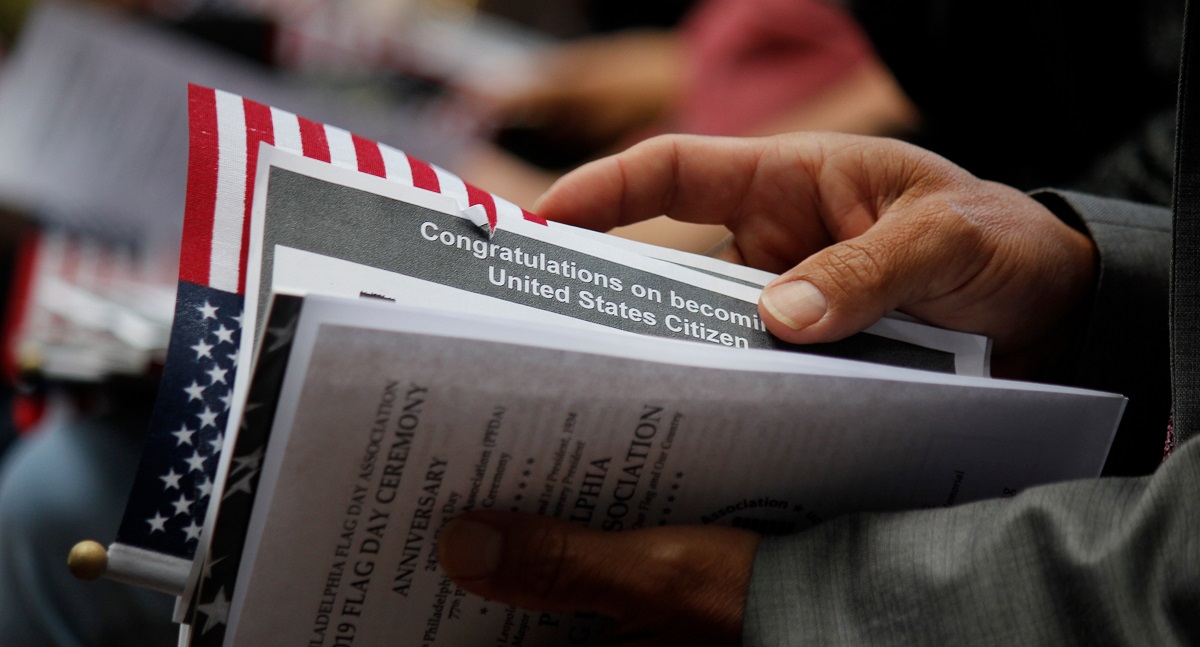
- Oath of Allegiance Ceremony: If USCIS approves your application, you will be scheduled for an oath ceremony. Taking the Oath of Allegiance is the final step. Once completed, you officially become a U.S. citizen.
USCIS reports on historical average processing times for the naturalization process. However, for closer look at each step in the timeline to become a U.S. citizen, see the N-400 processing times →
What Happens After You’re Approved for Citizenship
If USCIS approves your application, the final step is the Oath of Allegiance ceremony. At the ceremony, you:
- Swear loyalty to the United States
- Receive your Certificate of Naturalization
- Officially become a U.S. citizen
Afterward, you can apply for a U.S. passport and update your records with government agencies.
Frequently Asked Questions About Becoming a U.S. Citizen
What Customers Say About CitizenPath
Selected reviews from verified customers collected through Reviews.io and Trustpilot.