
I-864 Supporting Documents: What Evidence Sponsors Usually Need
When you submit Form I-864, Affidavit of Support, the form alone is not enough. USCIS expects supporting documents that prove you meet the financial requirements. The exact documents depend on your situation. Income type, household size, and filing history all matter.
This page explains the types of I-864 supporting documents sponsors commonly provide. We intentionally keep this guidance high-level. Small details can change what evidence works best for you.
Key Takeaways
- I-864 supporting documents prove you meet the financial requirements, confirming form answers.
- The exact documents USCIS expects depend on your income, household size, and filing history.
- Tax records and current income evidence carry the most weight, but assets and joint sponsors change requirements.
- Missing or weak evidence often leads to Requests for Evidence and case delays.
- Personalized guidance helps you submit the right documents without over-sharing or guessing.
Why I-864 Supporting Documents Matter
USCIS uses your evidence to confirm one thing: Can you financially support the immigrant you are sponsoring?
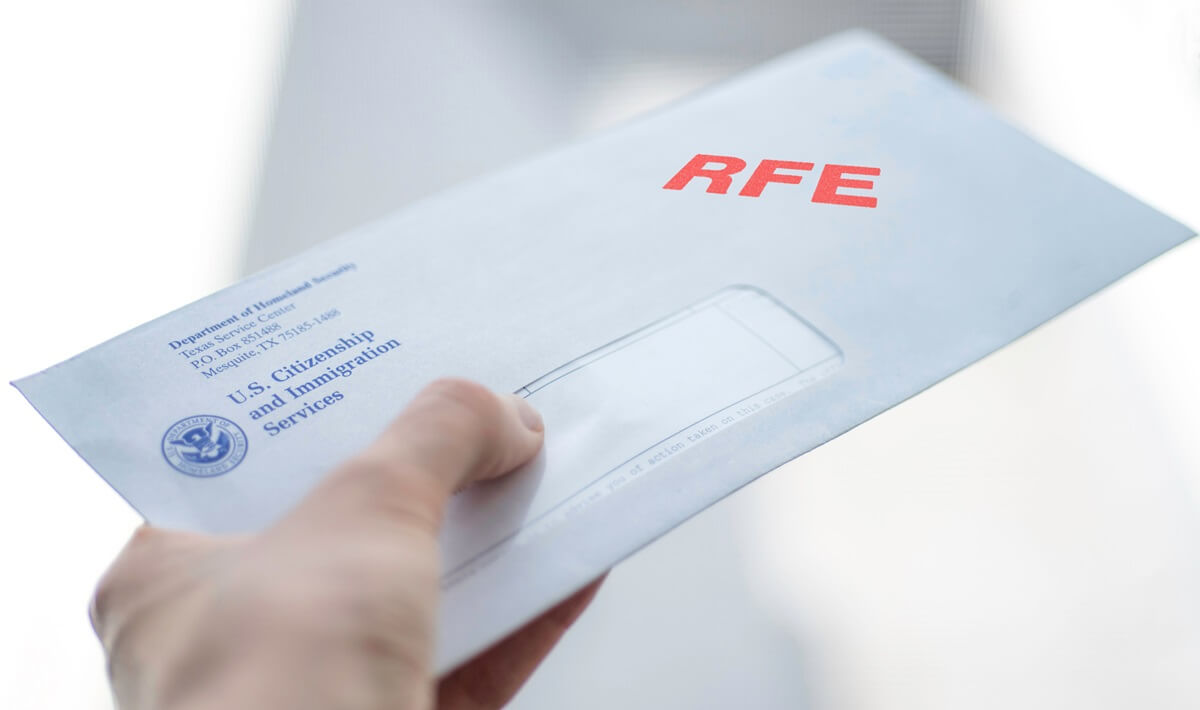
Missing or weak documents often trigger a Request for Evidence (RFE). RFEs slow cases down and create stress. In some situations, they can raise credibility questions. However, strong supporting documents help you:
- Prove your income is real and ongoing
- Show household size accurately
- Demonstrate assets if income is not enough
- Avoid unnecessary follow-up from USCIS
The Core Categories of I-864 Supporting Documents
USCIS does not publish a single universal checklist. Instead, they expect documents from several broad categories.
Proof of U.S. Status
Every sponsor must show they are eligible to file Form I-864. Common examples include:- Proof of U.S. citizenship or
- Proof of lawful permanent resident status
Federal Tax Documentation
Tax records form the backbone of most I-864 submissions. Sponsors often include:- Recent federal tax return documentation
- Evidence that links the tax return to the sponsor
- Clarifying records if filing history is unusual
Evidence of Current Income
USCIS looks beyond past taxes. They want to know what you earn now. Typical income evidence may include:- Proof of employment
- Self-employed proof of income
- Evidence of ongoing income sources
Assets (If Income Is Not Enough)
Some sponsors rely on assets to meet the financial requirement. Assets may include:- Cash or savings
- Property or investments
- Other qualifying resources
Household Member or Joint Sponsor Evidence
If you use a household member or a joint sponsor, additional documents are required.- Separate forms
- Separate income evidence
- Proof of relationship or shared residence
If you want extra confidence when preparing Form I-864, CitizenPath provides clear instructions written for everyday people. The affordable service checks for mistakes and builds a tailored checklist so you know exactly what to submit. You pay only when you’re satisfied and ready to download your I-864 package.
Documents That Often Trigger RFEs
Certain situations increase scrutiny from USCIS. Examples include:
- Recent job changes
- Self-employment income
- Inconsistent tax history
- Income near the minimum requirement
In these cases, how you present evidence matters as much as what you submit.

Why There Is No One-Size-Fits-All Checklist for I-864 Evidence
Two sponsors can earn the same amount and still need different documents. Differences may include:
- How income is earned
- How long income has been stable
- Whether dependents are claimed
- Whether assets are used
This is why generic checklists often fail. USCIS evaluates the whole picture, not just individual documents. If you want a customized checklist of I-864 supporting documents for your situation, try CitizenPath's Affidavit of Support Package →
Common Mistakes to Avoid
When submitting evidence with Form I-864, sponsors often run into these problems:
- Submitting incomplete tax records
- Mixing documents from different years
- Providing unclear income proof
- Over- or under-documenting assets
Even when errors are small, they can create significant delays. Therefore, taking the time to submit thorough evidence can prevent them.
I-864 Supporting Documents FAQs
Want more immigration tips and how-to information for your family?
Sign up for CitizenPath’s FREE immigration newsletter and
SAVE 10%
on our immigration services