
Assets on Form I-864: When Sponsors Should (and Shouldn’t) Use Them
When sponsors complete Form I-864, Affidavit of Support, many wonder if they should list assets. For clarification, assets can include real estate, personal property and financial accounts. Assets can help when income falls short. However, using assets on Form I-864 often creates extra work and risk. If you qualify based on income alone, it is usually best to avoid adding assets.
This page explains how assets work on the affidavit, why they are often discouraged, and when they may still help.
Key Takeaways
- Assets on Form I-864 are usually unnecessary when a sponsor’s income already meets the requirement.
- Assets increase complexity and risk, with strict valuation rules and heavy documentation.
- Income is the preferred path because it is easier for USCIS to verify and approve.
- Use assets only when income falls short, and consider a joint sponsor as a simpler alternative.
Why Assets on Form I-864 Are Often Discouraged
Assets are allowed under immigration law. Still, they are one of the most misunderstood parts of the affidavit. Many sponsors add assets even when they do not need them.
Here’s why that can be a problem:
- Assets require detailed documentation
- USCIS applies strict valuation rules
- Ownership must be clear and provable
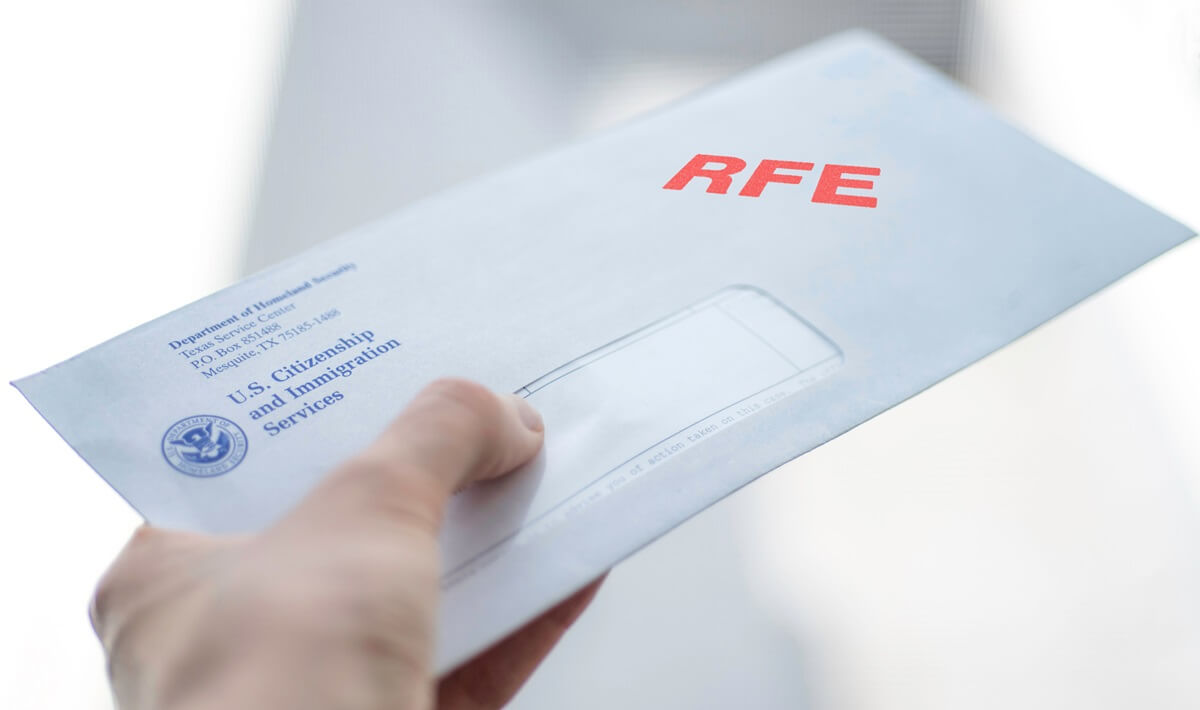
- Mistakes often lead to Requests for Evidence (RFEs)
If your income already meets the requirement, assets add no benefit. They only increase complexity.
When Assets Can Be Used on Form I-864
Assets are mainly used when income does not meet the minimum threshold. In that case, assets can help “fill the gap.”
Common situations include:
- Retired sponsors with savings but limited income
- Self-employed sponsors with inconsistent earnings
- Sponsors between jobs with strong financial reserves
Even then, assets must meet specific rules. Not all property or savings qualify.
If you want extra confidence when preparing Form I-864, CitizenPath provides clear instructions written for everyday people. The affordable service checks for mistakes and builds a tailored checklist so you know exactly what to submit. You pay only when you’re satisfied and ready to download your I-864 package.
What Types of Assets Are Acceptable
USCIS only accepts assets that can be converted to cash within one year, without hardship. Acceptable assets often include:
- Cash in checking or savings accounts
- Certificates of deposit (CDs)
- Stocks, bonds, or mutual funds
- Real estate equity (with strong proof)
Some assets sound helpful but fail in practice. Usually problematic assets include:
- Vehicles (unless you own more than one)
- Retirement accounts with penalties
- Property without clear ownership
- Foreign assets that are hard to verify
How USCIS Values Assets on Form I-864
USCIS does not look at the full value of assets. Instead, it applies a multiplier rule.
| Sponsored Immigrant | Asset Value Required |
|---|---|
| Spouse or child of U.S. citizen | 3× the income shortfall |
| Other family-based immigrants | 5× the income shortfall |
| Orphan adopted abroad | 1× the income shortfall |
This means small income gaps can require very large asset balances. Many sponsors underestimate this rule.
Documentation Problems Are the Biggest Risk
Most issues with assets come from documentation, not eligibility. USCIS expects:
- Clear proof of ownership
- Recent statements or appraisals
- Evidence of net value, not just gross value
- Proof assets are available for support
Real estate is especially risky. Appraisals, mortgage statements, and ownership records must align. Any inconsistency can trigger delays. If income qualifies, skipping assets avoids these risks.

Income Is Usually the Better Option
If your income meets the requirement, USCIS does not require assets. In fact, officers focus first on income. Income is preferred because:
- It is easier to verify
- Tax transcripts are standardized
- Fewer judgment calls are required
- Approval is more predictable
If income is close but not enough, a joint sponsor is often safer than using assets.
Common Mistakes Sponsors Make With Assets
Sponsors often hurt their case unintentionally. Common mistakes include:
- Listing assets that are not required
- Overstating property value
- Forgetting debts tied to assets
- Mixing household and personal assets
These mistakes do not mean denial is certain. However, they often cause RFEs and delays.
FAQs When Using Assets on Form I-864
Want more immigration tips and how-to information for your family?
Sign up for CitizenPath’s FREE immigration newsletter and
SAVE 10%
on our immigration services