
Travel After Filing Form I-751: What You Need to Know Before Leaving the U.S.
Travel can feel stressful when your Form I-751 is pending. Many conditional residents worry about re-entering the United States, missing a USCIS notice, or carrying the travel wrong documents. The good news is that most people can travel safely after filing Form I-751. This guide explains the rules in simple terms so you can make confident, well-prepared travel decisions.
Key Takeaways
- You can travel after filing Form I-751, as long as you have the correct documents.
- Your conditional resident status continues while Form I-751 is pending.
- An expired green card paired with a valid I-751 extension notice remains acceptable for re-entry.
- Long trips may raise questions about maintaining permanent residence.
- Stay alert for USCIS appointment notices or RFEs, even while abroad.
Can You Travel After Filing Form I-751?
Yes. In most situations, conditional permanent residents are allowed to travel outside the United States while their Form I-751, Petition to Remove Conditions on Residence is pending. Your status does not end simply because your two-year green card expires. Instead, the receipt notice you receive from USCIS automatically extends your permanent resident status.
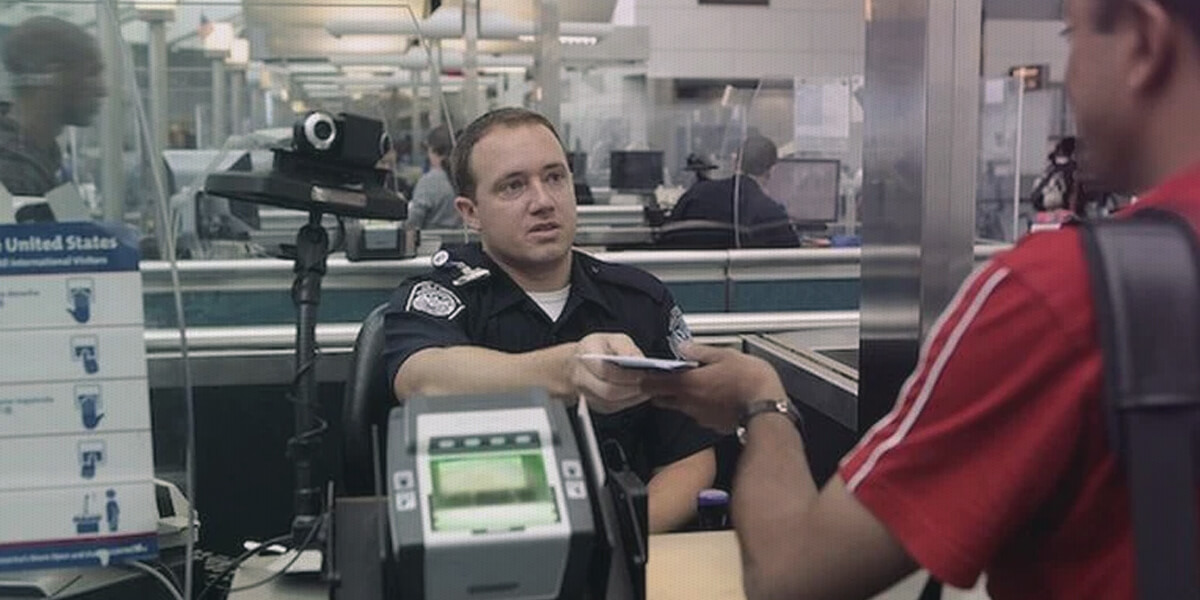
When planning a trip, the most important step is ensuring that you carry the correct documents. Airlines and CBP officers must verify that you still hold permanent resident status. Therefore, your expired conditional green card plus a valid extension notice must be used together as proof of your ongoing eligibility to return.
Understanding Your Status While I-751 Is Pending
Conditional residents often worry about having an “expired green card.” However, the card itself is only a physical document. Your status does not expire while USCIS is reviewing your I-751.
The I-751 receipt notice explains that you remain a permanent resident during the entire processing period. It also allows you to work, re-enter the United States, and live normally. You should carry both your expired card and receipt notice when traveling and everyday use.
If you lose your card or cannot present the required documents, you'll likely need to get temporary proof of your status in the form of an ADIT stamp in your passport →
Required Travel Documents for Re-Entry
To return to the United States after international travel, conditional residents should carry the following:
- Expired 2-year green card
- I-751 receipt notice showing your extended status
- A valid passport from your home country
- Any additional evidence of your pending case, if available
If your green card is lost, expired without an extension, or damaged while you are outside the United States, you may need a boarding foil before traveling to the U.S. Learn how to obtain this travel document in our post about How to Get a Boarding Foil and Return to the U.S. →
Travel Document Scenarios
The documents you need for travel depend on your specific situation. Use the table below to quickly confirm what proof of status is required when you travel after filing Form I-751.
| Scenario | Document You Need |
|---|---|
| Expired 2-year green card + valid extension notice | Allowed for re-entry |
| Lost green card + valid extension notice (inside U.S.) | ADIT stamp required |
| Expired card + expired extension notice | ADIT stamp required |
| Name or biographical changes | Carry legal documents showing the change |
| Lost green card + valid extension notice (outside U.S.) | Boarding foil required |
How Long You Can Stay Outside the U.S. While I-751 Is Pending
Short trips are rarely a problem. Many conditional residents take vacations, visit family, or travel for work without issues. However, longer trips may create questions about whether you intend to maintain permanent residence.
Typically, USCIS and CBP will scrutinize your absence if you remain outside the country for more than six months. Staying away for a year or longer will generally be viewed as abandoning your residence unless you have a reentry permit and evidence to show your ties to the United States.
If you expect to be abroad for an extended period, consider whether you should apply for a reentry permit →
Example Travel Scenarios
Short Trips (1–90 days)
Brief trips that are temporary in nature are usually safe. Carry your green card and extension notice, and make sure someone monitors your mail.
Moderate Trips (90–180 days)
Still allowed, but CBP may ask questions about how you maintain U.S. residence. Bring documents showing your ties.
Extended Trips (6+ months)
Riskier. You should keep strong evidence of your home, job, tax filings, and family ties to the United States. A reentry permit is required to return to the U.S. after one year and less than two years. Consider speaking to an immigration attorney about your travel.
Lost Green Card Abroad
If your green card is lost overseas, you will need temporary documentation to board a transportation carrier and reenter the U.S. Learn how to return to the U.S. after you have lost a green card abroad →
What Happens if You Receive a Notice While Abroad
If you receive a biometrics, interview, or RFE notice during travel, do not panic. USCIS normally allows rescheduling, especially if you can show you were traveling when the notice arrived.
To avoid problems:
- Create a USCIS online account
- Sign up for email and text alerts
- Ask someone you trust to check your mail regularly
- Monitor your case status before returning to the United States
If you must appear in person, plan to return as soon as possible.
If you want extra confidence when preparing Form I-751, CitizenPath provides clear instructions written for everyday people. The affordable service checks for mistakes and builds a tailored checklist so you know exactly what to submit. You pay only when you’re satisfied and ready to download your I-751 package.
FAQs About Traveling After Filing Form I-751
Want more immigration tips and how-to information for your family?
Sign up for CitizenPath’s FREE immigration newsletter and
SAVE 10%
on our immigration services