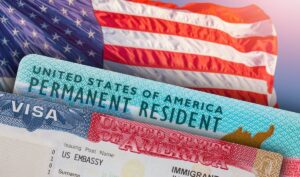
Every year, thousands of immigrant families worry that their children will "age out" of the U.S. immigration process. Under U.S. immigration law, turning 21 usually means a child is no longer eligible to immigrate as a "child." This can be devastating for families who have waited years for a visa. Thankfully, the Child Status Protection Act (CSPA) can help — but only if you understand how it works and act in time.
This guide explains what the CSPA is, how it works under the most recent rules (as of August 15, 2025), and what immigrant families can do to protect their children’s eligibility.


What Is the CSPA?
The Child Status Protection Act (CSPA) is a federal law passed in 2002. Its purpose is to protect certain children from losing immigration eligibility due to delays in USCIS processing or visa availability.
Normally, U.S. immigration law defines a "child" as someone who is:
- Under 21 years old, and
- Unmarried
When a child turns 21 before their green card is processed, they’re said to “age out.” This often pushes them into a different, slower visa category or disqualifies them entirely. CSPA helps by "freezing" or adjusting the child's age so they can still be considered under 21.
Who Can Use the CSPA?
The CSPA applies to:
- Children of U.S. citizens
- Children of lawful permanent residents (LPRs)
- Derivative children on family-based, employment-based, diversity visa, asylum, or refugee cases
- VAWA applicants in certain situations
The rules are slightly different depending on which immigration category you fall into.
CSPA for Children of U.S. Citizens
Children of U.S. citizens benefit from the most generous version of CSPA. Here's how it works:
- If a U.S. citizen files a Form I-130 for their unmarried child under 21, the child’s age is locked in on the date USCIS receives the petition.
- Even if the child turns 21 while the case is processing, they remain eligible as an immediate relative as long as they stay unmarried.
Example: John is 20 years and 11 months old when his U.S. citizen mother files an I-130 for him. He turns 21 the next month. Thanks to CSPA, his age is frozen. He continues to be treated as under 21 and can adjust status as an immediate relative.
Naturalization Twist: If a lawful permanent resident parent files an I-130 and later naturalizes, the child’s CSPA age can be locked in on the date of naturalization — but only if the child is under 21. There’s a debate about whether this “age” means biological age or CSPA-adjusted age, and court rulings differ by region.
CSPA for Children of LPRs and Other Preference Beneficiaries
CSPA gets more complicated for children of LPRs, or children included as derivatives on other petitions.
Here’s how to calculate CSPA age for these children:
- Step 1: Identify the child’s age on the date a visa becomes available
- Step 2: Subtract the time the petition was pending (from receipt to approval)
Formula: CSPA Age = Age on Visa Availability Date – Time Petition Was Pending
To benefit from the CSPA, the adjusted age must be under 21, and the child must seek to acquire permanent residence within one year of visa availability.
2025 Policy Update: A Major Change to Visa Availability
On August 15, 2025, USCIS changed how it defines the critical date when a visa "becomes available."
Before August 15, 2025
USCIS used the Dates for Filing chart (from the monthly Visa Bulletin) if it allowed you to file adjustment of status based on that chart. This was more generous, letting many kids lock in their age earlier.
After August 15, 2025
USCIS now uses only the Final Action Dates chart to determine when a visa is available for CSPA age calculation. This aligns with how the Department of State calculates visa availability for consular processing.
What this means: If your application was filed on or after August 15, 2025, your child’s CSPA age is based on the Final Action Date, not the earlier Dates for Filing. This makes it harder to qualify.
| Scenario | CSPA Age Lock-In Rule | Visa Availability Date | Seek-to-Acquire Requirement | Notes |
|---|---|---|---|---|
| Child of U.S. Citizen (Immediate Relative) | Age freezes at I-130 filing date | Not required | No | Must remain unmarried |
| Child of LPR (F2A) | Use CSPA formula: age at visa availability – petition pending time | Final Action Date (after Aug 15, 2025) | Yes, within 1 year | Can slide to F2B if aged out |
| Derivative child on family/employment petition | Use CSPA formula | Final Action Date (after Aug 15, 2025) | Yes, within 1 year | If aged out, may lose eligibility |
| VAWA Child (under 21 at filing) | Treated as under 21 even if older at adjudication | N/A | No | May file until age 25 if abuse delayed filing |
| Pending case filed before Aug 15, 2025 | May use Dates for Filing for visa availability | Earlier filing chart applies | Yes, based on earlier date | 2023 policy still applies |

What Is “Seek to Acquire”?
Even if your child qualifies under the CSPA formula, they must also “seek to acquire” permanent resident status within one year of visa availability.
In other words, they must apply for the green card. Acceptable actions include:
- Filing Form I-485 (adjustment of status)
- Filing Form DS-260 (immigrant visa application)
- Filing Form I-824 (action on approved application)
In some cases, extraordinary circumstances may excuse late filings. Examples may include illness, legal disability, or bad advice from a lawyer.
Common CSPA Scenarios
Understanding how the CSPA works in real-life situations can make a complicated law much easier to grasp. Below are a few examples that illustrate how age calculations, visa availability dates, and timing decisions can affect a child’s ability to immigrate. These scenarios reflect common cases and highlight why every detail, including timing and filing strategy, matters.

Benefiting Under CSPA
- Age at visa availability = 22
- Time petition was pending = 2 years
- CSPA-adjusted age = 20

Missing the Deadline

Risk Under the New Policy
- If Ravi files now and the case is processed later, his CSPA age could be over 21 when USCIS applies the Final Action Date rule. He might lose eligibility.
- Under the new rule, filing early doesn’t lock in the CSPA age.
VAWA and Special Rules
Children who file VAWA self-petitions (Form I-360) may be eligible up to age 25, if abuse was a central reason for not filing earlier. They can also retain their status as immediate relatives if the petition was filed while they were under 21, even if adjudication happens later.
Plan Today, Before It's Too Late
The Child Status Protection Act can be a powerful safeguard. It helps many children stay eligible for immigration, but it’s not automatic. You must carefully:
- Track visa availability
- Calculate age using the new USCIS rules
- Act within one year of eligibility
With the August 2025 rule change, it’s more important than ever to use the correct chart when calculating your child’s eligibility. If your child is near or over 21, don’t delay.
Frequently Asked Questions (FAQs)
Smart Software to Make It Easy
Human Support When It Matters
Navigating the U.S. immigration system can be challenging, but you don’t have to do it alone.
CitizenPath provides affordable, step-by-step help to prepare your USCIS forms like the Adjustment of Status Package (Form I-485) and Affidavit of Support Package (Form I-864). Immigration attorneys designed our service to help you avoid costly mistakes, rejections and denials without the high cost of an attorney.
Sign up for our free newsletter for regular tips and updates to bring family to the U.S. and other important immigration considerations.
Want more immigration tips and how-to information for your family?
Sign up for CitizenPath’s FREE immigration newsletter and
SAVE 10%
on our immigration services