
Filing N-400 with Overdue Taxes: What You Need to Know
Many people preparing Form N-400, Application for Naturalization, worry that overdue taxes will block them from becoming U.S. citizens. You can still apply in many cases, but you must show that you’re taking responsible steps to resolve the debt. This guide explains how overdue taxes affect good moral character, what USCIS looks for, and how to move forward with confidence.
Key Takeaways
- You can often file Form N-400 with overdue taxes, but USCIS will examine your good moral character carefully.
- Being on an IRS payment plan helps, but stricter scrutiny is being applied under Trump administration.
- Always file all required tax returns and stay current with any payment plan.
- If you have unpaid taxes, consider consulting an immigration attorney to understand how your specific situation may affect your case.
How Overdue Taxes Affect Your N-400 Application
USCIS reviews your history when deciding if you meet the “good moral character” requirement. Even so, overdue taxes do not automatically disqualify you. The real concern is whether you ignored the problem.
If you have delinquent taxes, USCIS wants proof that you are addressing them. This may include:
- Filing all late returns
- Contacting the IRS
- Setting up a payment plan
- Making consistent payments
- Keeping copies of all IRS correspondence
Failing to take corrective action may lead to delays or even a denial.
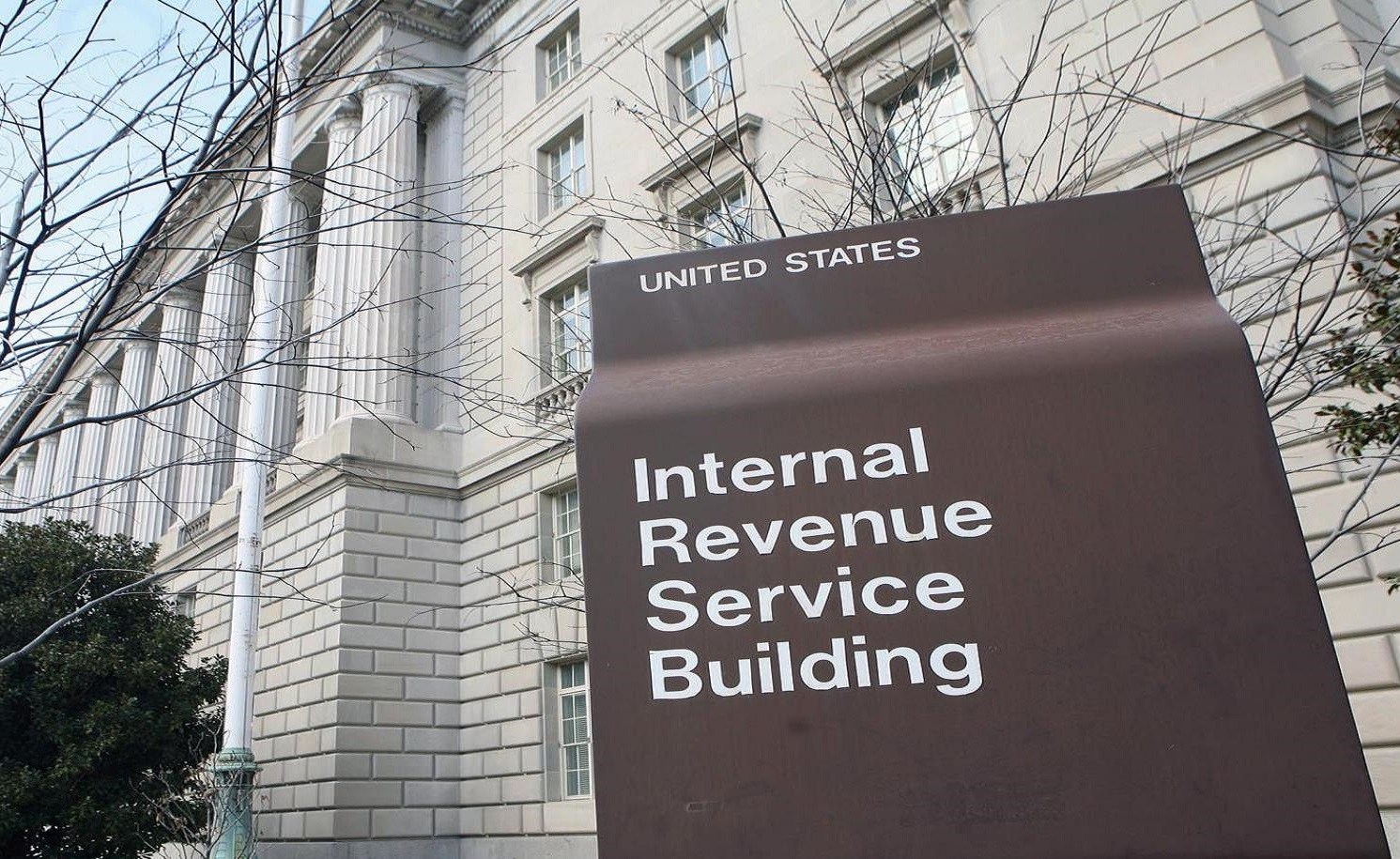
What USCIS Considers When You Owe Taxes
USCIS officers look for patterns. For example, they want to understand:
- Is the overdue amount small or large?
- Did you file your returns on time?
- Have you contacted the IRS?
- Are you following a repayment plan?
- Have you missed payments?
- Are you being truthful on your application?
Traditionally, if a permanent resident owed back taxes, USCIS often approved naturalization cases as long as the person had an IRS payment plan and made regular payments. Showing financial responsibility in this way generally helped meet the good moral character requirement, and this approach is supported by the USCIS Policy Manual.
Common Documents USCIS May Request
| Document | Purpose |
|---|---|
| IRS account transcript | Shows returns filed and amounts owed |
| Installment agreement letter | Proves you have an active payment plan |
| Recent payment receipts | Shows good-faith compliance |
| Proof of late return filing | Shows you corrected past issues |
Can You Still Be Approved for Naturalization?
Yes. Traditionally, most applicants with tax debt are approved if they demonstrate responsibility. In fact, USCIS focuses on intent and behavior rather than the debt itself.
Approvals Are Most Common When You:
- Disclose the tax issue honestly
- Provide supporting documents
- Have a payment plan in place
- Make consistent payments
Risk of Denial Increases When You:
- Hide the tax issue
- Ignore IRS notices
- Stop making payments
- Fail to file required returns
If you want extra confidence when preparing Form N-400, CitizenPath provides clear instructions written for everyday people. The affordable service checks for mistakes and builds a tailored checklist so you know exactly what to submit. You pay only when you’re satisfied and ready to download your N-400 package.
Steps to Take Before Filing N-400 with Overdue Taxes
You may not need to wait until you finish paying everything. However, you should take a few steps before submitting Form N-400.
File All Late Tax Returns
USCIS expects all federal, state and local tax returns to be filed, even if you cannot pay the full balance yet.
Contact the IRS
Speak with a representative or use the IRS website to review your account status.
Set Up a Payment Plan
A formal installment agreement is one of the strongest ways to show responsibility. Most people can set one up online in minutes.
Establish a Positive Payment Record Before Filing
Continue making regular payments consistent with your IRS agreement to demonstrate good moral character.
Gather Documents for Your Interview
The officer may ask for transcripts, proof of your payment plan, or receipts.
How to Explain Overdue Taxes on the N-400 Form
Form N-400 asks whether you owe any federal, state, or local taxes. Answer truthfully. Provide a short, clear explanation in the additional information section if needed.
Adjust the following example explanation for your situation:
“I previously fell behind on federal income taxes due to financial hardship. I have now filed all returns and entered into an IRS payment plan. I am making consistent monthly payments and remain in full compliance.”
Avoid complicated details. A simple, accurate explanation is best.

What Happens at the Naturalization Interview?
Most officers ask a few questions about your tax situation. Typically, they may request updated documents such as:
- Payment receipts
- IRS transcripts
- Proof of current compliance
If you can demonstrate that you have followed your payment plan, the conversation may be very quick.
Your Decision to File Form N-400 with Unpaid Taxes
If you owe back taxes, you may still file Form N-400, but you should proceed carefully. Historically, USCIS has approved applicants on IRS payment plans because consistent payments can help show good moral character. However, recent reports suggest some officers now apply stricter scrutiny (under the Trump administration), even when a payment plan exists. If you have unpaid taxes, it’s wise to speak with a qualified immigration attorney before filing. They can evaluate your situation, ensure you’re meeting IRS requirements, and help reduce risks during naturalization review.
FAQs When Filing N-400 with Overdue Taxes
Want more immigration tips and how-to information for your family?
Sign up for CitizenPath’s FREE immigration newsletter and
SAVE 10%
on our immigration services