
Conditional Green Card: What It Is and How to Remove Conditions
A conditional green card can feel confusing at first, especially if you are unsure why you received a two-year card instead of the standard 10-year version. This page explains what conditional status means, who receives it, and how you can remove the conditions to continue your permanent residence.
Key Takeaways
- A conditional green card is valid for two years.
- USCIS issues it when the marriage is less than two years old at approval.
- It provides the same rights as a 10-year green card.
- You must file Form I-751 to remove conditions on the green card.
What Is a Conditional Green Card?
A conditional green card is a two-year form of permanent residence issued to certain marriage-based immigrants. It provides the same rights as a regular 10-year green card, but it expires sooner because USCIS takes an additional step to confirm that the marriage is genuine.
If your marriage was less than two years old on the day you became a permanent resident (through adjustment of status or consular processing), USCIS issued you a conditional green card. To remain a permanent resident, you must file Form I-751, Petition to Remove Conditions on Residence, during the 90 days before your two-year card expires.
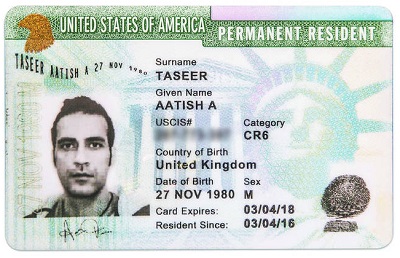
Generally, a conditional card looks the same as a 10-year green card. However, you'll notice the validity date is only two years, and the assigned category is a conditional immigrant visa category.
Why Some Immigrants Receive a Conditional Green Card
The conditional period exists because immigration law requires a second review of marriages that are still new at the time of approval. This safeguard helps USCIS confirm the relationship is legitimate and ongoing. Therefore, most couples who are still early in their marriage receive a two-year card instead of the standard 10-year version. A conditional green card:
- Lasts for two years
- Cannot be extended or renewed
- Requires filing Form I-751
- Provides all rights and responsibilities of a permanent resident during the two-year period
Here is a comparison between the conditional and regular green card:
| Conditional Green Card | 10-Year Green Card |
|---|---|
| Valid for 2 years | Valid for 10 years |
| Issued when marriage is less than 2 years old | Issued when marriage is 2+ years old |
| Requires Form I-751 to continue status | Requires renewal only every 10 years |
Who Gets a Conditional Green Card?
Most people who receive a conditional green card immigrate through marriage to a U.S. citizen or permanent resident. The key factor is the age of the marriage on the day the person becomes a permanent resident. If the marriage is less than two years old at that time, USCIS issues the two-year card.
You may receive a conditional green card if:
- You married a U.S. citizen or permanent resident
- Your marriage was less than two years old when USCIS approved your green card
- You immigrated through adjustment of status or consular processing based on the marriage
- You are a stepchild whose parent’s qualifying marriage occurred less than two years before your admission

What a Conditional Green Card Allows You to Do
A conditional green card gives you nearly all benefits of lawful permanent residence. You may live and work in the United States, travel internationally, and renew your driver’s license or Social Security record. For daily life, it functions the same as a 10-year green card.
However, the conditional card comes with two important limitations:
- It expires after two years
- You must file Form I-751 to continue your permanent resident status
If your I-751 is filed on time, USCIS automatically extends your status, even if your card expires while the petition is pending.
How to Remove Conditions with Form I-751
Removing conditions is a required step for anyone with a conditional green card. To keep your permanent resident status, you must submit Form I-751 to USCIS during the 90-day period before your card expires. The purpose of the petition is simple: USCIS reviews updated evidence to confirm that your marriage is genuine and ongoing.
Most couples file the I-751 together, but several waiver options exist for people who experienced divorce, separation, or abuse. Regardless of your situation, filing the form on time protects your status and allows you to continue living and working in the United States while USCIS reviews the case.
For a complete explanation of the process — including eligibility, supporting documents, evidence, timelines, and fees — visit our complete guide for Form I-751 →
If you want extra confidence when preparing Form I-751, CitizenPath provides clear instructions written for everyday people. The affordable service checks for mistakes and builds a tailored checklist so you know exactly what to submit. You pay only when you’re satisfied and ready to download your I-751 package.
What Happens If You Don’t File Form I-751
If you do not file the I-751 on time, USCIS may begin the process to end your permanent resident status. This can lead to removal proceedings. However, many people qualify to submit a late petition if they can explain the delay and provide supporting evidence.
If your marriage ends or becomes unsafe, you may still request a waiver. USCIS allows waivers for divorce, abuse, or situations where deportation would cause extreme hardship.
FAQs About the Conditional Green Card
Want more immigration tips and how-to information for your family?
Sign up for CitizenPath’s FREE immigration newsletter and
SAVE 10%
on our immigration services