
Late Registered Birth Certificate: What Immigration Officials Will Accept
A late registered birth certificate can raise questions in a family-based immigration case. In general, immigration officials expect birth records to be created close to the time of birth, whether you are filing Form I-130, applying for adjustment of status with Form I-485, or submitting documents to the National Visa Center.
This page explains what a late registered birth certificate is, whether the U.S. government accepts it, and how to use one properly during different stages of the immigration process.
Key Takeaways
- A late registered birth certificate is issued long after birth and often receives closer review.
- Immigration officials may accept it, but usually expect supporting evidence.
- Explaining why the registration occurred late helps establish credibility.
- Submitting clear, consistent records can reduce delays and follow-up requests.
What Is a Late Registered Birth Certificate?
A late registered birth certificate, sometimes called a delayed birth certificate, is a birth record that a civil authority did not registered shortly after birth. Instead, they issued the certificate months or years later.
Late registration occurs for several reasons, including:
- Births that were not routinely recorded in a country or region
- Delays caused by location, hardship, or lack of access to civil offices
- Lost or destroyed records that were later recreated
Although the document may be official, the delay in registration can affect how immigration officials evaluate it.
Why Late Registered Birth Certificates Receive Extra Scrutiny
Immigration officials use birth certificates throughout the immigration process to establish identity, age, and family relationships. However, when a birth certificate is registered long after birth, it often relies on statements or secondary records instead of evidence created at the time of birth.
For this reason, these delayed birth certificates cause concern:
- Immigration officials may question their accuracy
- Immigration officials often require additional supporting evidence
- Officials do not always consider them sufficient on their own
This applies whether the document is reviewed with a petition, an adjustment application, or during consular processing.
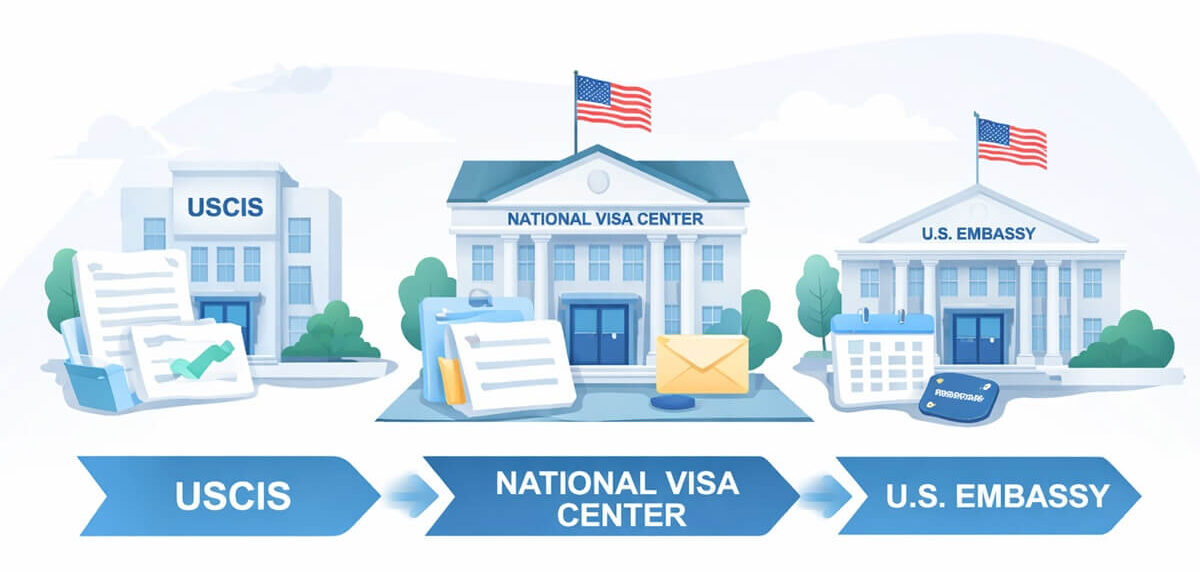
Are Late Registered Birth Certificates Accepted for Immigration Purposes?
Yes, immigration officials may accept late registered birth certificates, but they often treat them differently than birth records registered at or near the time of birth. Immigration officers generally prefer a long form birth certificate for a green card.
However, in many cases, immigration officials will:
- Accept the delayed birth certificate as secondary evidence
- Request additional documentation to support the information listed
- Evaluate all evidence together before making a decision
Acceptance depends on factors such as:
- How long after birth the registration occurred
- The reliability of the issuing civil authority
- The strength of the supporting evidence
How to Explain a Late Birth Registration
When submitting a late registered birth certificate, immigration officials expect a reasonable explanation for why the birth was not recorded at the time it occurred. This explanation helps them assess the reliability of the document.
In most cases, the explanation should:
- Describe why registration was delayed (for example, lack of access to civil offices, local practices, or lost records)
- Be consistent with other evidence submitted
- Be supported by documents or affidavits when available
Applicants typically include this explanation in a written statement or as part of an affidavit submitted with the application. Importantly, a clear and credible explanation can reduce questions and limit requests for additional evidence.
We've provided an example sworn statement below. Be sure to update the delayed birth registration explanation with details specific to your situation before submitting it to USCIS.
How to Use a Late Registered Birth Certificate Effectively
When submitting a delayed birth certificate, it is important to support it with additional evidence, regardless of where you are in the immigration process.
Ideally, you should submit the following items together to evidence a birth:
- The late registered birth certificate itself
- Written statement why the birth was not recorded at the time it occurred
- Secondary evidence created close to the time of birth
- Affidavits from people with personal knowledge of the birth
Applicants may submit supporting documents such as medical records, school records, religious documents, or affidavits of birth. Together, these materials help establish credibility and consistency.

Delayed Birth Certificates vs. No Birth Record
A late registered birth certificate is different from a situation where no birth record exists at all.
- A late registered birth certificate means the government created a record later
- No birth record means the civil authority confirms that no record exists
When no birth record exists, immigration officials generally expect official confirmation of non-availability before accepting secondary evidence alone. Understanding this difference helps applicants submit the correct documentation. Learn how to get a certificate of non-availability →
Common Problems with Late Registered Birth Certificates
Delays often occur when applicants:
- Submit only the delayed birth certificate without supporting evidence
- Fail to explain why the registration occurred late
- Rely solely on affidavits when other records are available
Addressing these issues early can reduce requests for additional evidence.
If you want extra confidence when preparing Form I-130, CitizenPath provides clear instructions written for everyday people. The affordable service checks for mistakes and builds a tailored checklist so you know exactly what to submit. You pay only when you’re satisfied and ready to download your I-130 package.
FAQs About Birth Certificates with Delayed Registration
Want more immigration tips and how-to information for your family?
Sign up for CitizenPath’s FREE immigration newsletter and
SAVE 10%
on our immigration services